


personal loan

Home » personal loan

Welcome to Sucredit

Home » personal loan
Coins and paper money arranged on a globe with a white statistical form in the background, illustrating the concept of loan for foreigners
best money lender

A Comprehensive Guide to Personal Loan for Foreigners in SG

Are you searching for a personal loan for foreigners in Singapore? If you’re living or studying in Singapore and you’re not from here, finding the right loan can seem challenging. With so many people from other countries making up over 38% of the population, there’s a big need for loans that fit foreigners. This in-depth guide is here to help you. We will talk about how you can get a personal loan, what you need to apply, the different kinds of loans you can get, and how to pay back the loan. Getting a personal loan can make a big difference in managing your money, especially if you’re from another country living in Singapore. Whether you’re working or studying, this guide provides the crucial insights to make informed decisions. Let’s dive deep into the essentials of acquiring a personal loan for foreigners in Singapore, setting you on the path to financial flexibility and success. What is a Foreigner Loan in Singapore? Many foreign workers in Singapore, who contribute significantly to the economy, find themselves in a challenging situation when it comes to bank loans. While they earn their living in this vibrant city, they often can’t get loans from banks as easily as locals can. This makes managing their finances tough, especially without access to the same financial support Singaporeans have. Thankfully, the introduction of foreigner loans in Singapore has been a game-changer. Unlike typical banking products, these loans are crafted with the unique circumstances of foreigners in mind, sidestepping the need for a credit history or collateral. As a result, personal loans for foreigners present a seamless solution for expatriates and foreign workers eager to address their financial requirements without the usual red tape. Entities like SU Credit have emerged as vital players in this space, offering specialized foreigner loan services that allow for quick and straightforward financing. This evolution in lending practices signifies a welcome change, granting foreign workers the means to navigate their financial situations with greater ease. This ensures their ability to thrive in Singapore is not hindered by financial constraints. Eligibility Criteria For Loan For Foreigners If you’re a foreigner in Singapore looking for a personal loan, there are some key eligibility criteria you need to meet. Lenders in Singapore generally require: Age between 21 and 55 years old. A valid employment pass with at least 1 year remaining. A minimum annual income of S$40,000 to S$60,000. Either a good credit history or a Singaporean guarantor. It’s important to remember that different lenders might have their own specific requirements, so it’s a smart move to get in touch directly with them. SU Credit, renowned for its assistance to foreigners, can offer personalized guidance based on their criteria, making the process of applying for a personal loan for foreigners smoother. Documents Needed for Foreigner Loan When applying for a personal loan, you’ll need to show certain paperwork to back up your application. Here’s what you might be asked for: Identity Verification: You’ll need to show who you are with things like your passport or work-related passes. Income Evidence: To show how much you earn, you could be asked for your job contract, recent payslips, or statements from your bank. Address Proof: You’ll need something that shows where you live in Singapore, like a bill for your utilities or your lease agreement. Additional Papers: Depending on what the loan provider asks for, you might also need to provide more info like what qualifications you have or details about your job history. Top of Form What are the Types of Personal loan for foreigners in Singapore? When foreigners living in Singapore need a personal loan, searching the options available can be overwhelming. To simplify the process, let’s break down the types of personal loans into easy-to-understand categories. Secured vs. Unsecured Loans Secured Personal Loans involve the borrower offering an asset as collateral, like a house or savings account. This security often results in lower interest rates and the ability to borrow more money. Unsecured Personal Loans, conversely, do not require collateral and rely on the borrower’s credit score for approval. These loans are more flexible in terms of asset security but come with higher interest rates due to the increased risk to the lender. Short-term vs. Long-term Loans Short-term Loans are designed for quick repayment, typically within one to three years, making them ideal for immediate financial needs. Long-term Loans extend over longer periods, usually five to ten years, suitable for more substantial expenses or projects requiring extended repayment timeframes. Bank Loans vs. Licensed Moneylenders Bank Loans offer competitive interest rates and flexible terms, generally available to those with stable incomes and solid credit histories. For foreigners, these might be a bit more challenging to secure due to stringent eligibility criteria. Licensed Moneylenders, like SU Credit, provide a viable alternative with more lenient requirements. While the interest rates might be higher, SU Credit ensures that personal loans for foreigners are accessible, accommodating a wider range of financial situations and needs. Deciding on the right personal loan involves considering your financial goals, repayment abilities, and individual circumstances. For those leaning towards licensed moneylenders for their flexibility and understanding of foreigners’ unique challenges, SU Credit stands out as a reputable option. Our expertise and tailored loan solutions make us a go-to for foreigners seeking financial assistance in Singapore. Interest Rates and Fees For foreigners looking for a personal loan in Singapore, it’s key to get a clear picture of the interest rates and any additional fees. Understanding these will help you figure out the total cost of the loan and ensure you’re picking a deal that’s good value for money. Interest rates on personal loans can change depending on things like how reliable you seem to the lender, how much you’re borrowing, and for how long. Generally, if you’ve got a solid credit score and your finances are in good shape, you could be looking at lower interest rates. It’s really important to shop around and compare what different

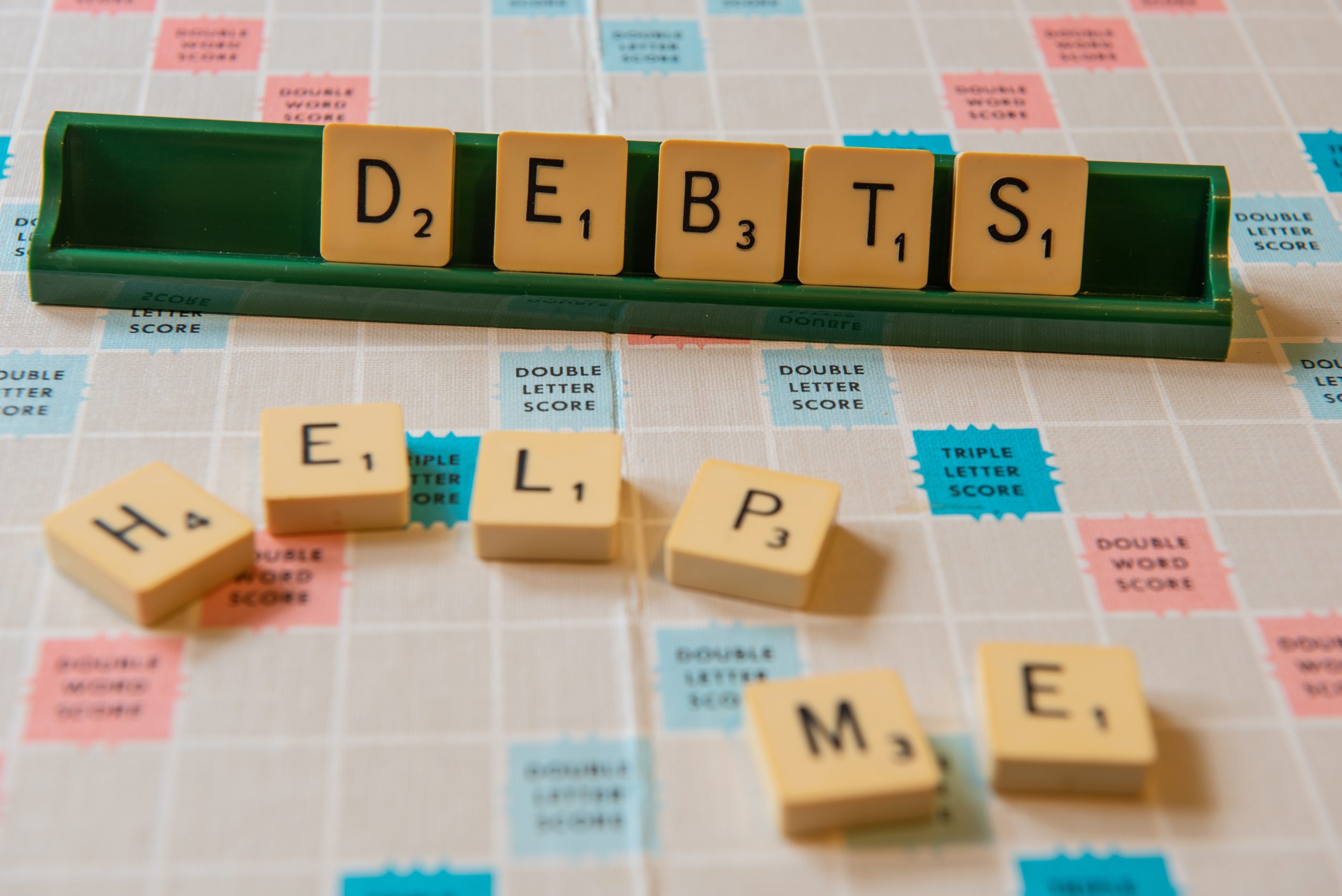
Close-up view of the words "DEBTS HELP ME" arranged on a scramble board with glowing lights in the background, symbolizing the urgent need for a debt consolidation plan in Singapore.
debt consolidation

Debt Consolidation Plan in Singapore: A Comprehensive Guide

Are you feeling overwhelmed by credit card debt in Singapore? The debt consolidation plan in Singapore might be the relief you need. With enticing credit card rewards like air miles, cash back, and even free luggage, it’s easy to find yourself swiping away without considering the consequences. However, this convenience often leads to a daunting pile of debt. If you’re struggling to keep up with credit card and personal loan payments, a Debt Consolidation Plan could be your pathway out of financial stress. This guide will explore how such a plan works and how it can help you regain control of your finances. What Is a Debt Consolidation Plan in Singapore? A Debt Consolidation Plan in Singapore allows individuals to consolidate all their outstanding unsecured loans into a single loan from a financial institution, such as a licensed money lender or bank. This approach simplifies debt management by reducing multiple payments to just one monthly repayment, making it easier to manage finances. Key Features Interest Rates: While the interest rates for DCPs may seem high compared to other loan types, they are significantly lower than the average credit card rates in Singapore. The credit card rates can be as high as 25% per annum. DCPs generally offer rates between 3.12% and 12%. This makes DCPs an advantageous option for those struggling with high-interest credit card debt and other unsecured loans. Loan Amount: The Debt Consolidation Plan allows you to borrow an amount ranging from 12 to 18 times your monthly salary. This flexibility ensures that you can consolidate a significant amount of debt under one loan. This is especially helpful if you have multiple high-interest loans or credit card debts. Repayment Tenure: The plan offers flexible repayment options, with terms ranging from 1 to 10 years. This range allows you to choose a repayment period that best suits your financial situation and goals. Thus, it makes easier to manage monthly payments without overstressing your budget. By consolidating debts, individuals can avoid the compound interest that quickly accumulates on credit cards, often referred to as the “snowball effect.” This helps in managing debt more effectively and can prevent the debt from growing uncontrollably. As a licensed money lender in Singapore, SU Credit provides options for those considering a debt consolidation plan. We offer guidance and services to help individuals consolidate their debts, thereby gaining better control over their financial situation. How the Debt Consolidation Plan in Singapore Works? Imagine you’re earning a monthly salary of S$3,000 but have accumulated debts totaling S$80,000 due to multiple credit card and personal loan expenses on luxury items. This amount is well over 12 times your monthly income, indicating a significant financial strain. In this situation, a debt consolidation plan in Singapore could be a strategic move. By consolidating all your high-interest debts into one loan with a lower interest rate from a financial institution, you reduce your monthly burden. Instead of multiple payments, you make a single repayment to the institution that now holds your consolidated loan. This plan simplifies your finances and potentially lowers the amount you pay monthly. For those not eligible or looking for different options, alternative personal loans like balance transfers or personal installment loans might be suitable. Loan Exclusions in Debt Consolidation Plans in Singapore In Singapore, Debt Consolidation Plans (DCPs) are specifically helpful for managing unsecured loans like personal installment loans, credit card debts, and personal lines of credit. These types of debts do not require collateral to be provided by the borrower. However, secured loans, which are backed by assets like property for property loans, vehicles for car loans, or funds for education loans, cannot be included in a DCP. Business loans also do not qualify for consolidation under a DCP. This exclusion of secured and business loans helps to focus the DCP on high-interest, unsecured debts, making it a targeted solution for personal financial restructuring. Eligibility for Debt Consolidation Plan in Singapore The Debt Consolidation Plan (DCP) is for Singaporeans and permanent residents. This ensures that the program supports local citizens and residents in managing their debts. Income and Asset Criteria Applicants must have an annual income ranging from S$20,000 to S$120,000. Moreover, their net assets should not exceed S$2 million. These criteria help to target the DCP towards individuals who are neither too wealthy nor below a certain income threshold. Debt Requirements To qualify for a DCP, you must be facing significant debt levels—specifically, your total debts must be at least 12 times your monthly income. This condition confirms that the DCP caters those who have heavy debts to pay and are truly in need of assistance in debt management. SU Credit can assist eligible individuals by offering DCPs as part of their financial solutions, providing a structured approach to managing and reducing their debt burdens efficiently. For more detailed guidance and to see if you qualify for a DCP, consulting with licensed money lenders like SU Credit can be very helpful. Documents Required For the Application To apply for a Debt Consolidation Plan, you will need to prepare the following documents: Credit Bureau Report NRIC (front and back) Latest income statements Recent statements for credit cards and other unsecured credits, such as personal loans If applicable, confirmation letters detailing unbilled principal balances for unsecured installment plans These documents help verify your identity, financial status, and the extent of your debts, ensuring a smooth application process. What to Consider Before Applying for a Debt Consolidation Plan in Singapore? Understanding Additional Charges When you get a Debt Consolidation Plan (DCP) in Singapore, your loan amount will include not just your current debts and outstanding interest, but also an extra 5% above this total. This additional percentage covers potential fees like late payment charges that might occur during the repayment period. Rest assured, any excess from this buffer will be returned to you at the end of the loan term. Refinancing Options If you decide that you want to switch your DCP to another financial institution,

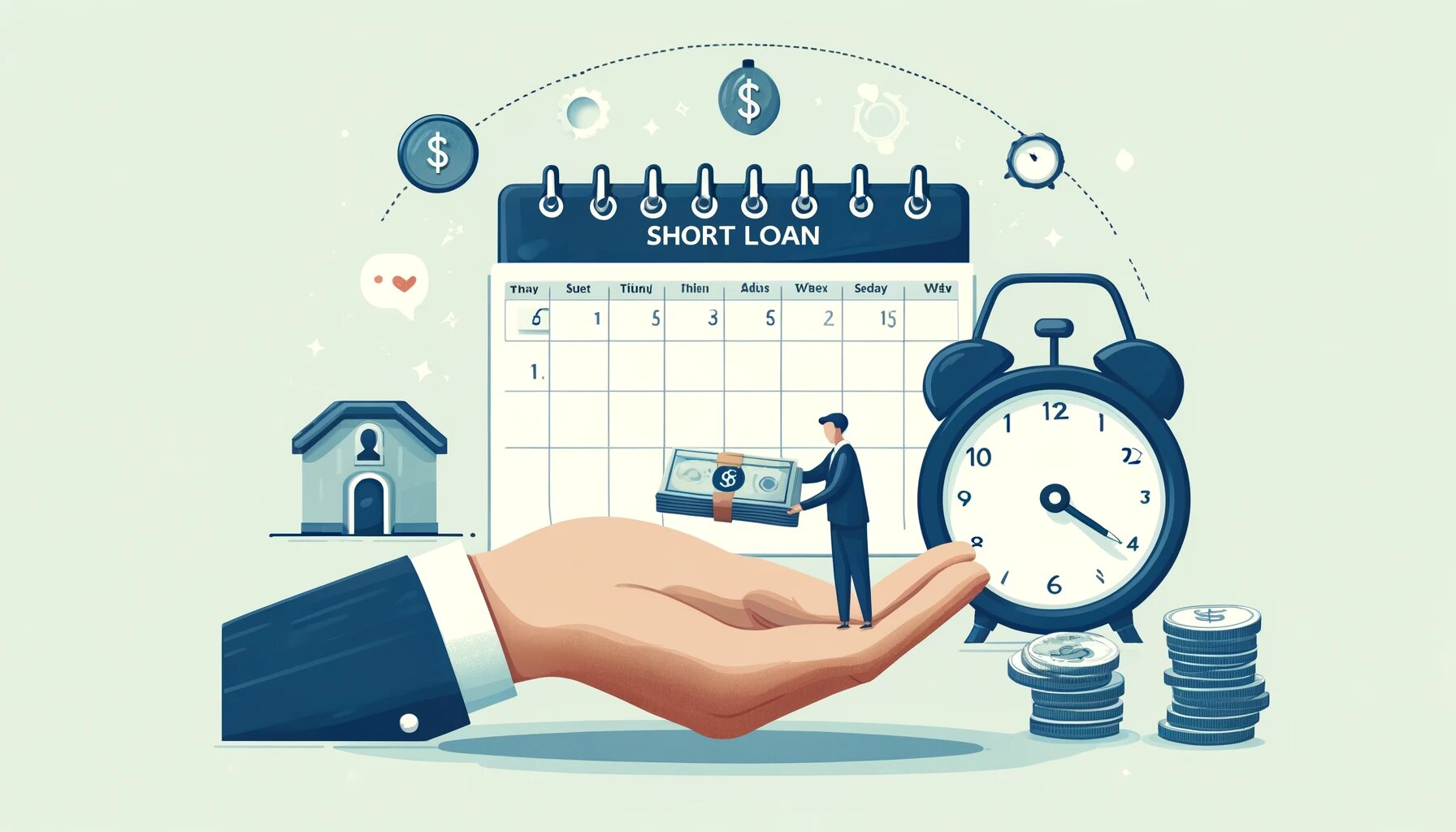
Illustration of a short-term loan in Singapore, showing a person handing over money and a calendar indicating a short duration.
short-term loan

How to Get Short-Term Loan in Singapore?

If you’re in need of quick access to a small amount of money in Singapore and can repay it within a short period, a short-term loan in Singapore might be the right solution for you. These loans offer the advantage of a brief repayment period, providing peace of mind compared to medium or long-term loans. However, it’s crucial to understand that short-term loans often come with higher fees and charges, so it’s important to carefully consider the costs involved. Let’s find out more about short-term loan in Singapore! What is a Short-Term Loan in Singapore? Short-term loans offer a range of features tailored to meet urgent financial needs, typically requiring repayment within 6-12 months. Here are some unique features commonly associated with short-term loans in Singapore: Quick Approval and Disbursement: Many lenders, including SU Credit, offer fast approval processes, often within the same day, and quick disbursement of funds, either in cash or via PayNow. Flexible Loan Amounts: Borrowers can typically secure loans starting from SGD 1,000, making it suitable for various financial requirements. Variety of Loan Types: Short-term loans come in different forms, such as payday loans, fast cash loans, and personal loans, to cater to diverse financial needs. High Interest Rates: Due to their convenience and quick processing, short-term loans generally have higher interest rates compared to long-term loans. No Collateral Required: These loans are usually unsecured, meaning they do not require collateral, simplifying the application process. Customizable Repayment Plans: Lenders often provide flexible repayment options, allowing borrowers to select terms that best fit their financial situation. Minimal Documentation: The application process typically involves minimal documentation, speeding up the approval process. SU Credit is a leading licensed money lender in Singapore, known for its transparent practices and excellent customer service. We offer variety of personal loans, including short-term loan to serve our customers and make their life easy. Types of Short-Term Loans in Singapore Short-term loans in Singapore provide flexible financial solutions for immediate needs, and licensed money lenders in Singapore, such as SU Credit, offer a variety of options to cater to different requirements. Here are some common types of short-term loans available: 1. Personal Loans Personal loans are useful for significant purchases or debt consolidation, combining multiple credit card debts into a single, lower-cost monthly payment. These loans typically have lower interest rates than credit cards and do not require collateral, making them unsecured. Borrowers are approved based on their creditworthiness, and these loans are accessible to both locals and foreigners, offering a convenient option for urgent financial needs. 2. Invoice Financing Invoice financing allows businesses to borrow money against outstanding invoices from customers. The lender provides early payment for receivables, which helps improve cash flow. When the invoice is settled, the lender deducts the interest and the borrower receives the remaining amount. This type of financing is ideal for businesses needing immediate cash flow to maintain operations or invest in opportunities. 3. Payday Loans Payday loans are small, short-term loans designed for emergencies. They are relatively easy to obtain, with borrowers providing a postdated check covering the loan amount plus interest, due on their payday. These loans have extra high-interest rates due to their short-term nature and the convenience they offer. Payday loans are a quick solution for urgent financial needs but should be used cautiously due to their high costs. 4. Lines of Credit A line of credit functions similarly to a credit card, allowing borrowers to access funds up to a predetermined limit. Borrowers can withdraw money as needed, provided they do not exceed the credit limit, and must make monthly installment payments based on the amount borrowed. This type of loan is suitable for both personal and business needs, helping to manage working capital or take advantage of investment opportunities. Lines of credit offer flexibility and can be a useful financial tool for managing cash flow. 5. Merchant Cash Advances Merchant cash advances provide upfront cash in exchange for a portion of future sales. The lender advances the loan amount, and a percentage of each sale is taken until the advance is repaid. This type of loan is best for businesses with steady credit card sales, providing quick access to funds while aligning repayment with revenue. Merchant cash advances offer a flexible financing option for businesses needing immediate capital to support growth or manage expenses. 6. Bridging Loans Bridging loans are short-term loans designed to bridge the gap between the purchase of a new property and the sale of an existing one. These loans provide temporary financing to cover the down payment on the new property while waiting for the sale of the old property to be completed. Bridging loans typically have higher interest rates but offer a convenient solution for property buyers needing immediate funds. 7. Pawnshop Loans Pawnshop loans are a type of secured loan where borrowers can obtain immediate cash by pledging valuable items as collateral. The loan amount is based on the value of the item, and the borrower must repay the loan within a specified period to retrieve their collateral. Pawnshop loans offer quick access to funds without a credit check, making them a viable option for those with poor credit history. SU Credit stands out among licensed money lenders in Singapore for our exceptional services and diverse loan options. SU Credit provides instant loan approval and rapid disbursement of funds, making it a convenient choice for those in need of quick financial assistance. We offer competitive interest rates and flexible repayment plans, helping to ease the financial burden on borrowers. Pros and Cons of Short-Term Loans in Singapore Short-term loans are becoming increasingly popular for their convenience and flexibility. Licensed money lenders in Singapore, such as SU Credit, offer a variety of short-term loan options that cater to urgent financial needs. Here’s a detailed look at the advantages and disadvantages of short-term loans in Singapore: Pros Quick Application Process One of the primary benefits of short-term loans is the swift and straightforward application process. Many

Traditional Personal Loan Applications
Personal Loan

Evaluating Online vs. Traditional Personal Loan Applications

Personal loans are essential financial tools that help individuals manage urgent expenses, fund large purchases, or consolidate debt. They are a lifeline for small business owners and individuals who might not qualify for traditional bank loans but still need financing options. This article compares online and traditional personal loan applications, focusing on their distinct processes, advantages, and disadvantages. Specifically, we’ll explore the Singapore personal loan market landscape to provide a comprehensive understanding for those seeking financial assistance. Understanding Personal Loans Personal loans are unsecured loans that individuals can borrow from banks, credit unions, or online lenders. They do not require collateral and are typically repaid in fixed monthly installments over a specified period. There are various types of personal loans, including fixed-rate loans, variable-rate loans, and debt consolidation loans. People take out personal loans for multiple reasons. Common purposes include covering medical expenses, funding home renovations, consolidating high-interest debts, financing weddings, or managing emergencies. Understanding these purposes helps assess personal loan suitability for different financial needs. Traditional Personal Loan Applications The traditional personal loan application process involves several steps and requires personal interaction with banking staff. Here’s a detailed look at this process: Visiting the Bank: Applicants must visit a bank branch to initiate the physical application process. Filling Out Forms: They must complete extensive forms detailing their financial situation, employment status, and loan purpose. Providing Documents: Supporting documents such as proof of income, identification, and credit history must be submitted. Approval Timeframe: Depending on the bank’s policies and the applicant’s financial profile, the approval process can take several days to weeks. Disbursement: Once approved, the funds are disbursed into the applicant’s bank account. Pros and Cons of Traditional Applications Pros: Personal Interaction: Face-to-face interactions with bank representatives can provide clarity and personalized advice. Established Trust: Banks are established institutions providing a sense of security and trustworthiness. Cons: Time-Consuming: The process requires significant time investment for visits and paperwork. Long Approval Times: The approval and disbursement process is generally slower than online. Online Personal Loan Applications Online personal loan applications have revolutionized the way people access financial services. Here’s an overview of this streamlined process: Filling Out Online Forms: Applicants can complete their loan applications from their homes by filling out forms on the lender’s website. Uploading Documents: Required documents can be scanned and uploaded electronically. Electronic Verification: Verification processes are automated and can be completed quickly. Approval Timeframe: Online applications are often approved within hours or a few days. Disbursement: Funds are directly transferred to the applicant’s bank account upon approval. Pros and Cons of Online Applications Pros: Convenience: Applications can be completed anytime, anywhere, without physical visits. Speed: Faster approval and disbursement times due to automated processes. Cons: Lack of Personal Interaction: Limited human interaction may make it challenging to get personalized advice. Security Concerns: Potential risks associated with online data breaches and cyber threats. Comparing Online vs. Traditional Loan Applications Accessibility and Convenience When evaluating the accessibility and convenience of personal loan applications, it’s clear that online methods offer superior flexibility. Applicants can apply for a Singapore personal loan from the comfort of their homes without adhering to bank hours. This is particularly advantageous for busy individuals and small business owners who cannot afford the time to visit bank branches. Speed of Approval and Disbursement The speed of approval and disbursement is critical, especially for those with urgent financial needs. Online personal loans typically offer faster processing times, with some approvals occurring within hours. On the other hand, traditional loans often involve a lengthier process due to manual verification and bureaucracy, which can delay the availability of funds. Customer Support and Assistance Customer support can significantly influence the loan application experience. Traditional banks provide face-to-face interactions with knowledgeable staff, offering a personalized touch. In contrast, online lenders may rely on chatbots or phone support, which might not provide the same level of reassurance. However, some online lenders are improving their customer service by offering comprehensive online support and live chat options. Security and Privacy Concerns Security is paramount when dealing with personal financial information. Traditional banks have long-established security measures and protocols, fostering trust among applicants. Online lenders also invest heavily in cybersecurity, employing encryption and secure platforms to protect data. However, the online nature of these applications can make them susceptible to cyber-attacks, necessitating vigilant security practices. Case Study: Applying for a Singapore Personal Loan Consider the case of Jane, a small business owner in Singapore. Jane needed a personal loan to cover unexpected business expenses. She first approached a traditional bank, spending several hours over multiple days gathering documents, filling out forms, and attending meetings. The approval process took two weeks, and she received the funds three days later. In contrast, Jane later tried an online lender. She completed the application in under an hour, uploaded scanned documents, and received approval within 24 hours. The funds were disbursed the next day. Jane’s experience highlights the stark differences in time and convenience between the two methods, making online applications a more attractive option for urgent financial needs. To Wrap it Up Both online and traditional personal loan applications have their unique advantages and challenges. Traditional applications offer personal interaction and established trust but take time and effort. Online applications provide unmatched convenience and speed but have potential security concerns and less personalized support. When choosing between these options, applicants should consider their needs, urgency, and comfort with digital platforms. For many in the Singapore personal loan market, online applications present a viable and efficient alternative to traditional banking methods. Ultimately, the best choice depends on individual circumstances and preferences, ensuring access to the necessary funds with minimal hassle.

Personal Loan Balancing Consolidation Tips
Personal Loan

Balancing Multiple Personal Loans: Consolidation Tips

Managing multiple personal loans can be daunting, with various due dates, interest rates, and payment amounts to keep track of. This complexity often leads to financial stress and confusion. For individuals in Singapore, finding effective strategies for loan consolidation is crucial to simplifying their finances and reducing their overall debt burden. One potential solution is to seek out the best personal loan in Singapore, which can offer favorable terms for consolidation. Understanding Loan Consolidation What is Loan Consolidation? Loan consolidation involves combining multiple loans into a single loan, ideally with better terms, such as a lower interest rate or a more manageable repayment schedule. This process can streamline debt management, making it easier to keep track of payments and potentially reducing the total amount paid in interest over time. However, it’s essential to weigh the benefits against potential drawbacks. While consolidation can simplify payments and reduce interest rates, it also extends the loan term, resulting in higher overall interest costs if not managed carefully. Types of Loan Consolidation Balance Transfer: Description: Transferring the outstanding balances of your personal loans to a new loan with a lower interest rate. Pros: Initially, interest rates will be lower, and promotional offers will be offered with low or zero interest. Cons: Possible high fees after the promotional period and the need for a good credit score to qualify. Personal Loan for Consolidation: Description: Taking out a new personal loan to pay off existing loans. Pros: Fixed interest rate and predictable monthly payments. Cons: Application fees and collateral may be required. Debt Management Plan (DMP): Description: Working with a credit counseling agency to create a repayment plan. Pros: Professional guidance, possibly lower interest rates, and structured repayment plans. Cons: It may affect your credit score and usually involves fees for the service. Benefits of Loan Consolidation Simplified Repayments One of the most significant benefits of loan consolidation is the simplification of repayments. Instead of juggling multiple loans with different due dates and amounts, consolidation allows you to combine them into a single payment. This streamlined approach reduces the likelihood of missed payments and the associated late fees, ultimately reducing stress and improving financial management. Potential Savings on Interest Rates Consolidating your loans can lead to substantial savings on interest rates. By replacing multiple high-interest loans with a single loan at a lower interest rate, you can reduce your overall interest over time. This is particularly beneficial in Singapore, where interest rates for personal loans can vary significantly. Comparing the average rates of your existing loans with those of a consolidated loan can highlight potential savings. Improved Credit Score Timely repayments of a consolidated loan can positively impact your credit score. With fewer accounts to manage and a clearer repayment plan, you’re more likely to make timely payments, boosting your credit rating. A good credit score opens doors to better future loan terms, reinforcing consolidation’s benefits. Steps to Consolidate Personal Loans Evaluate Your Current Financial Situation Begin by assessing your total debt and current interest rates. List all outstanding loans, including their terms and conditions. This comprehensive overview will help you understand the extent of your debt and identify the most suitable consolidation option. Research and Compare Consolidation Options Research is crucial in finding the best consolidation method. Look for loans that offer competitive interest rates and favorable terms. The best personal loan options in Singapore might provide lower interest rates and flexible repayment schedules, making them ideal for consolidation. Choose the Right Loan Consolidation Method Selecting the appropriate consolidation method depends on your financial situation. For instance, a balance transfer might be suitable if you have a high credit score. At the same time, a debt management plan could be beneficial if you need professional assistance in managing your debt. Consider the pros and cons of each method and choose the one that aligns with your needs. Apply for Loan Consolidation Once you’ve chosen a consolidation method, follow a step-by-step application process: Gather necessary documentation, including proof of income, credit reports, and existing loan details. Complete the application form, providing accurate and comprehensive information. Apply and await approval. Manage the Consolidated Loan Effective management of your consolidated loan is essential to achieving financial stability. Set up automatic payments to ensure timely repayments and avoid late fees. Regularly review your loan status and adjust as needed to stay on track. To Wrap it up Balancing multiple personal loans can be challenging, but loan consolidation offers a viable solution to simplify your finances and reduce your debt burden. By understanding the various consolidation methods and their benefits, you can make informed decisions to achieve financial stability. Remember to evaluate your financial situation, research the best consolidation options, and choose the method that suits your needs.  Seeking the best personal loan in Singapore can provide favorable terms for consolidation, helping you achieve a more manageable financial future.

Su Credit, 175 Bencoolen Street #01-36 Burlington Square, Singapore, 189649 Tel: +65 6636 5644