


legal money lender

Home » legal money lender

Welcome to Sucredit

Home » legal money lender
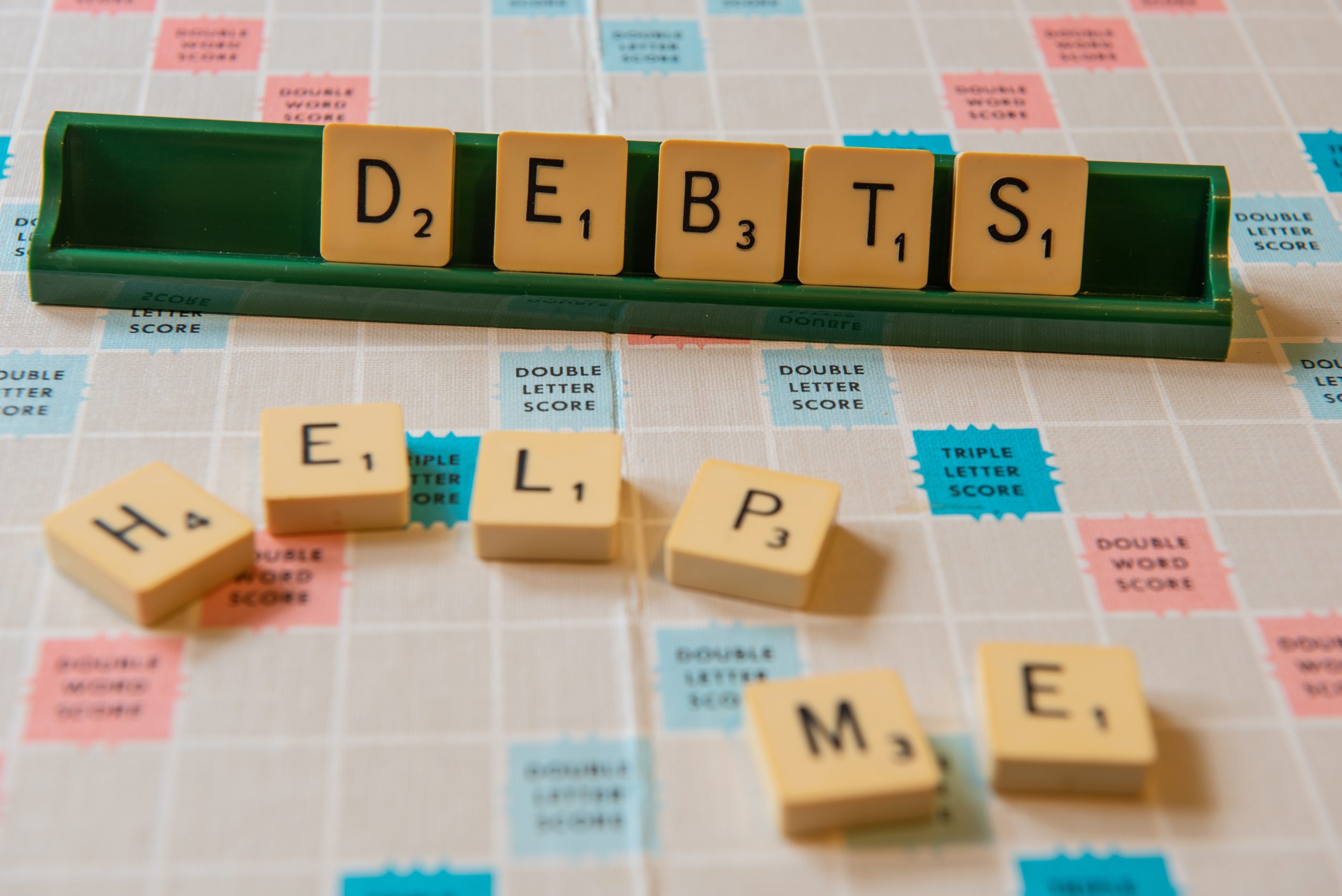
Close-up view of the words "DEBTS HELP ME" arranged on a scramble board with glowing lights in the background, symbolizing the urgent need for a debt consolidation plan in Singapore.
debt consolidation

Debt Consolidation Plan in Singapore: A Comprehensive Guide

Are you feeling overwhelmed by credit card debt in Singapore? The debt consolidation plan in Singapore might be the relief you need. With enticing credit card rewards like air miles, cash back, and even free luggage, it’s easy to find yourself swiping away without considering the consequences. However, this convenience often leads to a daunting pile of debt. If you’re struggling to keep up with credit card and personal loan payments, a Debt Consolidation Plan could be your pathway out of financial stress. This guide will explore how such a plan works and how it can help you regain control of your finances. What Is a Debt Consolidation Plan in Singapore? A Debt Consolidation Plan in Singapore allows individuals to consolidate all their outstanding unsecured loans into a single loan from a financial institution, such as a licensed money lender or bank. This approach simplifies debt management by reducing multiple payments to just one monthly repayment, making it easier to manage finances. Key Features Interest Rates: While the interest rates for DCPs may seem high compared to other loan types, they are significantly lower than the average credit card rates in Singapore. The credit card rates can be as high as 25% per annum. DCPs generally offer rates between 3.12% and 12%. This makes DCPs an advantageous option for those struggling with high-interest credit card debt and other unsecured loans. Loan Amount: The Debt Consolidation Plan allows you to borrow an amount ranging from 12 to 18 times your monthly salary. This flexibility ensures that you can consolidate a significant amount of debt under one loan. This is especially helpful if you have multiple high-interest loans or credit card debts. Repayment Tenure: The plan offers flexible repayment options, with terms ranging from 1 to 10 years. This range allows you to choose a repayment period that best suits your financial situation and goals. Thus, it makes easier to manage monthly payments without overstressing your budget. By consolidating debts, individuals can avoid the compound interest that quickly accumulates on credit cards, often referred to as the “snowball effect.” This helps in managing debt more effectively and can prevent the debt from growing uncontrollably. As a licensed money lender in Singapore, SU Credit provides options for those considering a debt consolidation plan. We offer guidance and services to help individuals consolidate their debts, thereby gaining better control over their financial situation. How the Debt Consolidation Plan in Singapore Works? Imagine you’re earning a monthly salary of S$3,000 but have accumulated debts totaling S$80,000 due to multiple credit card and personal loan expenses on luxury items. This amount is well over 12 times your monthly income, indicating a significant financial strain. In this situation, a debt consolidation plan in Singapore could be a strategic move. By consolidating all your high-interest debts into one loan with a lower interest rate from a financial institution, you reduce your monthly burden. Instead of multiple payments, you make a single repayment to the institution that now holds your consolidated loan. This plan simplifies your finances and potentially lowers the amount you pay monthly. For those not eligible or looking for different options, alternative personal loans like balance transfers or personal installment loans might be suitable. Loan Exclusions in Debt Consolidation Plans in Singapore In Singapore, Debt Consolidation Plans (DCPs) are specifically helpful for managing unsecured loans like personal installment loans, credit card debts, and personal lines of credit. These types of debts do not require collateral to be provided by the borrower. However, secured loans, which are backed by assets like property for property loans, vehicles for car loans, or funds for education loans, cannot be included in a DCP. Business loans also do not qualify for consolidation under a DCP. This exclusion of secured and business loans helps to focus the DCP on high-interest, unsecured debts, making it a targeted solution for personal financial restructuring. Eligibility for Debt Consolidation Plan in Singapore The Debt Consolidation Plan (DCP) is for Singaporeans and permanent residents. This ensures that the program supports local citizens and residents in managing their debts. Income and Asset Criteria Applicants must have an annual income ranging from S$20,000 to S$120,000. Moreover, their net assets should not exceed S$2 million. These criteria help to target the DCP towards individuals who are neither too wealthy nor below a certain income threshold. Debt Requirements To qualify for a DCP, you must be facing significant debt levels—specifically, your total debts must be at least 12 times your monthly income. This condition confirms that the DCP caters those who have heavy debts to pay and are truly in need of assistance in debt management. SU Credit can assist eligible individuals by offering DCPs as part of their financial solutions, providing a structured approach to managing and reducing their debt burdens efficiently. For more detailed guidance and to see if you qualify for a DCP, consulting with licensed money lenders like SU Credit can be very helpful. Documents Required For the Application To apply for a Debt Consolidation Plan, you will need to prepare the following documents: Credit Bureau Report NRIC (front and back) Latest income statements Recent statements for credit cards and other unsecured credits, such as personal loans If applicable, confirmation letters detailing unbilled principal balances for unsecured installment plans These documents help verify your identity, financial status, and the extent of your debts, ensuring a smooth application process. What to Consider Before Applying for a Debt Consolidation Plan in Singapore? Understanding Additional Charges When you get a Debt Consolidation Plan (DCP) in Singapore, your loan amount will include not just your current debts and outstanding interest, but also an extra 5% above this total. This additional percentage covers potential fees like late payment charges that might occur during the repayment period. Rest assured, any excess from this buffer will be returned to you at the end of the loan term. Refinancing Options If you decide that you want to switch your DCP to another financial institution,

Two professionals at a meeting, discussing a report and using a phone, with a focus on financial services by a licensed money lender in Singapore
legal money lender

10 Myths About Licensed Money Lenders in Singapore Debunked

Are you wary about dealing with a licensed money lender in Singapore due to widespread stories about loan sharks? It’s true that Singapore sees its fair share of unlicensed lending, but it also boasts a fully regulated sector of licensed money lenders offering legitimate services. Many misconceptions about licensed money lenders stem from generalized horror stories spread across the internet, making people understandably cautious. Despite what you might think, these money lenders can often lend without requiring collateral or an excellent credit score. This article will debunk 10 common myths about the industry, likely changing your perspective and making you consider working with a licensed money lender near you. Myth 1: Licensed Money Lenders in Singapore are All Loan Sharks Do you think all money lenders in Singapore are unscrupulous loan sharks, often called ‘Ah Longs’? While it’s true that these illegal lenders exist, it’s important to distinguish them from legitimate lending businesses. Licensed money lenders in Singapore, like SU Credit, operate under strict regulations enforced by the Ministry of Law. These legitimate businesses must display their license number, which you can usually find on their website or by asking directly at their office. To confirm their legitimacy, you can also verify their credentials through the Ministry of Law’s Registry of Money lenders website. Unlike loan sharks, licensed money lenders prioritize the needs of their borrowers. Their main goal is to assist while ensuring their operations comply with legal standards. This approach not only helps individuals in need of financial assistance but also upholds the integrity of the lending industry in Singapore. Myth 2: Licensed Money Lenders in Singapore Offer Only One Type of Loan Contrary to popular belief, licensed money lenders in Singapore, like SU Credit, offer a variety of loan types to meet different financial needs. These options include both secured and unsecured loans, tailored to suit the borrower’s circumstances. Unsecured Loans These loans don’t require collateral and are accessible for smaller, short-term financial needs. While they might have higher interest rates due to their nature, the approval process is typically quick. Licensed money lenders exercise caution by setting borrowing limits based on a percentage of the borrower’s regular income. This is a protective measure to prevent borrowers from overextending themselves financially, which can lead to significant debt. Secured Loans For larger loan amounts, borrowers can opt for secured loans, which require collateral, such as property or other valuable assets. These assets back the loan and can be used to settle the debt if the borrower fails to make the required payments. The process for secured loans involves a thorough appraisal of the collateral and, as a result, may take longer to approve compared to unsecured loans. Both types of loans are designed with the borrower’s safety and financial stability in mind, providing flexible solutions for various financial needs. Whether for personal use, business expansion, or property development, SU Credit and other licensed money lenders in Singapore offer suitable options to help borrowers responsibly manage their finances. Myth 3: Loan Applications with Licensed Money Lenders Are Tedious The belief that loan applications are always cumbersome is not true, especially when it comes to licensed money lenders in Singapore. The process for unsecured loans, which are commonly sought for quick financial relief, is particularly streamlined and efficient. Fast Approval Times Unsecured loans typically see approval times of less than a week. Many top licensed money lenders associated with advisory services like Loan Advisor can expedite this process even further. Qualified applicants who submit all necessary documents promptly can expect approval within as little as 30 minutes. Designed for Emergencies This swift approval process makes unsecured loans ideal for emergency situations. For instance, if you need urgent funding due to unforeseen circumstances, the quick turnaround time ensures that financial help is available when you need it most. While these loans might carry higher interest rates due to their short-term nature, they are structured to be repaid by the next payday, making them a manageable option for immediate financial needs. Thus, while the application process can vary depending on the type of loan and the specific requirements of the lender, licensed money lenders in Singapore strive to keep the procedure as simple and quick as possible, particularly for loans designed for urgent needs. This responsiveness is a key feature that helps differentiate licensed lenders from other financial institutions where processes might be more protracted. Myth 4: Loans Are Unavailable for Those with Poor Credit Scores It’s a common misconception that having a poor credit score means you can’t obtain a loan, particularly from banks that typically require good credit for approval. However, legal money lenders in Singapore, such as SU Credit, provide an alternative. Accessibility for All Credit Types Unlike banks, legal money lenders do not solely base their lending decisions on credit scores. If you have a stable income—proof that you have the means to repay the loan—SU Credit and other similar institutions are more willing to work with you, even if your credit history is less than ideal. Support for Financial Recovery For those struggling to rebuild their credit scores, obtaining a loan from a legal money lender can be a vital step towards recovery. These lenders often offer products like debt consolidation services, which can help manage and reduce debt more effectively. Fair Interest Rates With proof of a steady income, borrowers may not necessarily face higher interest rates typically associated with poor credit loans. This accessibility allows individuals to meet their financial needs without being penalized for their credit history. Legal money lenders in Singapore are thus essential for providing financial solutions that are more inclusive, offering support to those who might otherwise be excluded from traditional financial services. This approach not only helps individuals manage immediate financial challenges but also assists in long-term financial rehabilitation. Myth 5: Secured Loans Are Always the Best Option with Licensed Money Lenders It’s a common belief that secured loans, which require collateral, are the best route when borrowing from

The image illustrates a boss rewarding an exemplary employee with a personal loan in Singapore.
licensed money lender

10 Key Considerations For a Personal Loan in Singapore

Are you considering a personal loan in Singapore to manage sudden financial needs or fulfill a personal goal? Whether it’s for home improvements, a wedding, medical emergencies, or boosting your business’s cash flow, personal loans can be a swift solution to obtaining the funds you need. However, entering into a loan agreement isn’t a decision to take lightly—it involves careful planning and understanding of the commitments involved. This includes evaluating your needs before applying, managing the loan responsibly once received, and continuing to handle finances wisely after repayment starts. Let’s explore some essential factors to consider throughout the process of acquiring, using, and repaying a personal loan in Singapore. What is a Personal Loan in Singapore? A personal loan in Singapore is a type of unsecured loan, which means it doesn’t require any collateral, like a house, to back it up. This is beneficial because if you struggle to repay, the lender doesn’t have the right to automatically take your assets. In contrast, secured loans, such as mortgages, do involve collateral, and failure to repay can lead to the lender seizing the secured asset. If you’re considering a personal loan, licensed moneylenders like SU Credit can guide you through the process. We offer various loan options tailored to meet different financial needs without requiring collateral. 10 Factors to Consider Before Securing a Personal Loan in Singapore 1. Assess Your Credit Score Your credit score is a critical factor when applying for a personal loan in Singapore. It reflects your financial behavior and creditworthiness, influencing both the speed of loan approval and the terms offered by lenders. Here’s a breakdown of what affects your score: Payment History: Regular, timely payments improve your score, while late or missed payments can significantly lower it. Credit Utilization: This is the ratio of your current credit card balances to your credit limits. Lower utilization rates are better for your score. Length of Credit History: Longer credit histories are viewed more favorably, as they provide more data on your borrowing behavior. Recent Credit Inquiries: Each time you apply for credit, a hard inquiry is made, which can lower your score. Frequent inquiries suggest financial instability to lenders. Credit Account Diversity: A mix of credit types, including credit cards, personal loans, and mortgages, can positively affect your score. Maintaining a good credit score involves managing debts responsibly, avoiding excessive borrowing, and ensuring all bills and loans are paid on time. A higher score can lead to better interest rates and more favorable loan terms. 2. Comparing Interest Rates For personal loans in Singapore, understanding the difference between Applied Rate (AR) and Effective Interest Rate (EIR) is crucial. AR might seem straightforward as it doesn’t factor in the reduction of your loan principal over time, which makes it less reflective of the total cost. The EIR, however, includes how the principal amount decreases with each payment you make, offering a true picture of the loan’s cost. If you’re considering a legal moneylender lender like SU Credit, comparing the EIRs can help you find the most cost-effective option. A better understanding of these rates can lead to more manageable repayments and overall savings. Ensure that any loan comparison you make uses the EIR for accuracy. 3. Learn about Fees and Additional Charges for Personal Loans When you’re considering taking out a personal loan in Singapore, it’s important to look beyond the interest rate and understand the full scope of fees and charges that might apply. Here are some key aspects to consider: Interest Rates Personal loan interest rates in Singapore can vary significantly. For example, as of May 2024, banks like CIMB, Citibank, and Standard Chartered offer competitive annual interest rates ranging from 3.38% to about 3.45% with effective interest rates (EIR) around 6.32% to 6.50% respectively. These rates are indicative and can vary based on your credit profile and the loan terms. Processing Fees Some loans come with a processing fee, which can be a flat rate or a percentage of the loan amount. For instance, OCBC might charge a processing fee of 1% of the approved loan amount, whereas banks like DBS and POSB might charge a fixed fee around $100. Annual Fees Certain loans might include an annual fee. For example, Standard Chartered’s CashOne personal loan includes an annual fee of $199 for the first year, but no yearly fees are levied from the second year onwards unless you default on an installment. Late Payment Fees Late payments can incur substantial fees. Being aware of these fees and the conditions under which they are applied is vital for managing your loan responsibly. Change in Tenure Fees If you find yourself needing to extend your loan period due to changes in your financial situation, some lenders may offer this flexibility for an additional fee, though not all banks provide this option. When comparing loans, it’s advisable to use a comprehensive approach that considers all potential costs and not just the headline interest rate. Always ensure that you fully understand the loan agreement and all associated costs before proceeding. SU Credit stands out among licensed moneylenders in Singapore by providing flexible loan options tailored to various needs without collateral requirements. We emphasize a straightforward application process, competitive interest rates, and minimal additional fees. SU Credit‘s transparency in communicating the full cost of loans helps borrowers make informed financial decisions. 4. Know the Loan Borrowing Limits in Singapore Whether it is aa personal loan in Singapore or any other type of loan, how much you can borrow primarily depends on your income, credit score, and your relationship with the lender. Typically, if you meet a bank’s minimum income requirements, you may be eligible to borrow up to four times your monthly income. For individuals earning less than $30,000 annually, the limit might be restricted to twice the monthly income, and there’s usually a maximum cap involved. For higher loan amounts, some banks offer the option to borrow up to eight or ten times your monthly income, but this

A worried person in Singapore sits at a kitchen table with bills and an 'URGENT' notice, applying for an emergency loan in Singapore.
Emergency Loan

What You Need to Know About an Emergency Loan in Singapore?

Emergency loans in Singapore are an excellent option for managing sudden financial needs. If you’re seeking immediate financial assistance, an emergency loan is a practical choice. Moreover, you might worry about qualifying for a loan with a poor credit score. Fortunately, in Singapore, many money lenders conduct less stringent credit checks compared to traditional financial institutions. This flexibility is a significant advantage for those with bad credit. This guide will assist you in learning everything about an emergency loan in Singapore in 2024. So, let’s read on to find more! What is an Emergency Loan in Singapore? Emergency loans are short-term financial solutions designed to meet urgent needs quickly. They are known for their fast approval and rapid fund disbursal, making them ideal for unexpected expenses like medical emergencies, car repairs, or sudden bills. Unlike traditional loans, which often require extensive paperwork, collateral, and a strong credit history, emergency loans in Singapore are more accessible. Licensed money lenders in Singapore offer these loans with more relaxed eligibility criteria. This flexibility means that individuals with different credit scores and financial situations can still qualify for emergency loans, making them a viable option for a broader range of borrowers. SU Credit is a trusted licensed money lender in Singapore, known for its diverse loan options, fast approval times, and exceptional customer service. Types of Emergency Loans in Singapore When urgent financial needs arise, various types of emergency loans in Singapore can provide quick relief. These loans are accessible through both banks and licensed money lenders, with the latter offering more flexible eligibility criteria. Personal Loan One common form of emergency loan in Singapore is the unsecured personal loan. These loans are available based on factors such as age, residential status, income, employment history, and credit score for bank loans. However, licensed money lenders like SU Credit, focus less on credit scores and more on having a stable income. They do not impose a minimum salary requirement, though your income level influences the loan amount you can access. Legal money lenders offer an advantage to individuals with poor credit scores or non-traditional incomes, such as gig workers. Personal loans from these lenders can sometimes be secured against assets like real estate, investments, or vehicles, providing greater flexibility for borrowers. Payday Loan Payday loans are short-term loans provided exclusively by licensed money lenders in Singapore. These loans typically come with higher interest rates and smaller loan amounts, making them a more expensive borrowing option. However, they do not require a credit check and are processed quickly, making them ideal for urgent financial needs. Borrowers are expected to repay the loan by their next payday, hence the name. At SU Credit, payday loans are processed swiftly, ensuring that borrowers receive the funds they need without delay. This option is particularly useful for those who need immediate cash but may not have a strong credit history. Car Title Loan A car title loan is a type of secured loan where the borrower uses their car as collateral. To qualify, you must own a valuable vehicle. If you fail to repay the loan, the lender has the right to seize your car as repayment. This type of loan is riskier, so it’s important to carefully consider your ability to repay before committing. Licensed money lenders in Singapore offer car title loans with clear terms and conditions, helping borrowers understand the risks and benefits involved. These loans provide a way to leverage a valuable asset for urgent financial needs. Credit Card Advance Credit card holders can opt for a cash advance, which allows them to withdraw cash from their available credit balance. While convenient, cash advances usually come with higher interest rates compared to regular credit card purchases and additional fees, such as processing and transaction fees. Interest on cash advances starts accruing immediately, increasing the total repayment amount. Borrowers should weigh the cost of a credit card advance against other emergency loan options. Licensed money lenders may offer more favorable terms depending on the situation. Whether you need a personal loan, payday loan, or car title loan, SU Credit offers flexible terms and fast approval processes. With a strong reputation for transparent practices and exceptional service, SU Credit is a trusted choice for emergency loans in Singapore. How can You Use Emergency Loans in Singapore? Emergency loans in Singapore offer a quick financial solution for various urgent needs. Here are some common situations where these loans can be particularly beneficial: Medical Emergencies Unexpected medical expenses, such as hospital bills, surgeries, or treatments, can be daunting. Even with medical insurance, there are times when you need to make upfront payments before the insurance reimbursement process is complete. Emergency loans can bridge this gap, allowing you or your loved ones to receive timely medical care without delay. This ensures that critical treatments are not postponed due to financial constraints. Rent and Mortgage Payments If you are struggling to meet your rent or mortgage payments, an emergency loan can provide a temporary solution. These loans help you cover your housing costs and avoid potential eviction or foreclosure. By ensuring you can fulfill your financial obligations on time, emergency loans offer the breathing room needed during challenging financial periods. Utility Bills Utility bills for electricity, water, and other essential services are crucial to maintaining a stable living environment. If you are at risk of service disconnection due to unpaid bills, an emergency loan can help. Using the loan to pay your utility bills ensures you avoid disruptions in essential services, maintaining comfort and stability in your home. Funeral Expenses The sudden passing of a loved one can leave you unprepared for funeral costs and other end-of-life expenses. Emergency loans can provide the necessary funds to cover funeral arrangements, including burials, cremations, and memorial services. This financial assistance helps ease the burden during a difficult time, ensuring you can give your loved one a proper farewell without added stress. Home or Car Repairs Urgent home or car repairs often require immediate

Singapore Loan Sharks
Tips and Guides

What Happens If You Borrow from a Loan Shark in Singapore?

In Singapore, loan sharking has been a persistent concern, affecting numerous individuals who find themselves in financial distress. Loan sharks, known for their predatory practices, often prey on vulnerable members of society who urgently need cash. Understanding the implications of borrowing from these illegal lenders is crucial for anyone considering this risky option. Not only do loan sharks operate outside the law, but they also impose exorbitant interest rates and employ aggressive collection tactics that can lead to severe personal and financial repercussions.  As we delve into this topic, it becomes evident why seeking alternative, legal financial solutions is imperative for anyone facing financial difficulties in Singapore. Understanding Loan Sharks: Loan Shark Singapore Loan sharks in Singapore are unlicensed moneylenders who provide loans without the legal authority to do so. They operate clandestinely, often relying on word-of-mouth or illegal advertisements to attract borrowers. Unlike legitimate moneylenders, regulated by Singapore’s Ministry of Law and must adhere to specific guidelines and interest rate caps, loan sharks operate outside these boundaries. This lack of regulation allows them to charge exorbitant interest rates and impose harsh repayment terms.  Furthermore, legitimate moneylenders in Singapore must provide transparent loan agreements and are prohibited from using intimidation or harassment to collect debts. In contrast, loan sharks often resort to threats and illegal tactics to enforce repayment, making them a dangerous choice for borrowers. The Risks of Borrowing from Loan Sharks Borrowing from a loan shark in Singapore has significant risks that can have long-lasting consequences. One of the primary concerns is the high interest rates and hidden fees accompanying these illegal loans. Loan sharks often charge interest rates several times higher than those permitted by law, leading to a cycle of debt that can be nearly impossible to escape.  Additionally, borrowers may face aggressive collection practices and harassment. Loan sharks are notorious for employing intimidation tactics, including threats of violence, property damage, and public shaming, to ensure repayment. This creates a hostile environment for borrowers, contributing to severe psychological stress and anxiety. The constant pressure and fear of repercussions can lead to a decline in mental health and strain relationships with family and friends. Financially, the burden of repaying an exorbitant loan can deplete savings and lead to further financial instability. Legal Consequences Singapore takes a firm stance against loan shark activities, with laws in place to combat illegal moneylending. Engaging with loan sharks not only exposes borrowers to personal and financial risks but also potential legal repercussions. Under Singaporean law, borrowers may be seen as complicit in illegal moneylending activities, resulting in fines or even imprisonment. The government has implemented stringent measures to curb the influence of loan sharks, including enhanced penalties for those involved in illegal lending and public education campaigns to raise awareness.  Community organizations also help combat loan shark activities by providing support and resources to affected individuals. These combined efforts deter borrowers and lenders from participating in illegal loan sharking, promoting a safer financial environment for all Singaporeans. Alternatives to Loan Sharks For those needing financial assistance, there are legal and safer alternatives to borrowing from loan sharks in Singapore. The country has a regulated moneylending industry that offers loans under fair and transparent terms. Licensed moneylenders must adhere to strict guidelines, including providing clear loan agreements and capping interest rates at lawful limits.  Additionally, financial advice and support services are available to help individuals manage their finances and explore viable options for monetary relief. Non-profit organizations and government agencies offer counseling and assistance programs to help individuals overcome financial challenges without resorting to illegal means. For those in dire financial straits, seeking help from family, friends, or community organizations can provide much-needed support and guidance. These networks can offer temporary financial assistance or advice on managing debt effectively. To Wrap It Up Borrowing from a loan shark in Singapore poses significant dangers, including high interest rates, aggressive collection practices, and potential legal consequences. The risks involved can lead to severe personal and financial distress, making it crucial for individuals to explore safer, legal alternatives. By understanding the implications of engaging with loan sharks and seeking legitimate financial solutions, Singaporeans can protect themselves from the pitfalls of illegal lending and work towards achieving economic stability securely and lawfully.

Su Credit, 175 Bencoolen Street #01-36 Burlington Square, Singapore, 189649 Tel: +65 6636 5644