



debt consolidation loan

Home » debt consolidation loan

Welcome to Sucredit

Home » debt consolidation loan
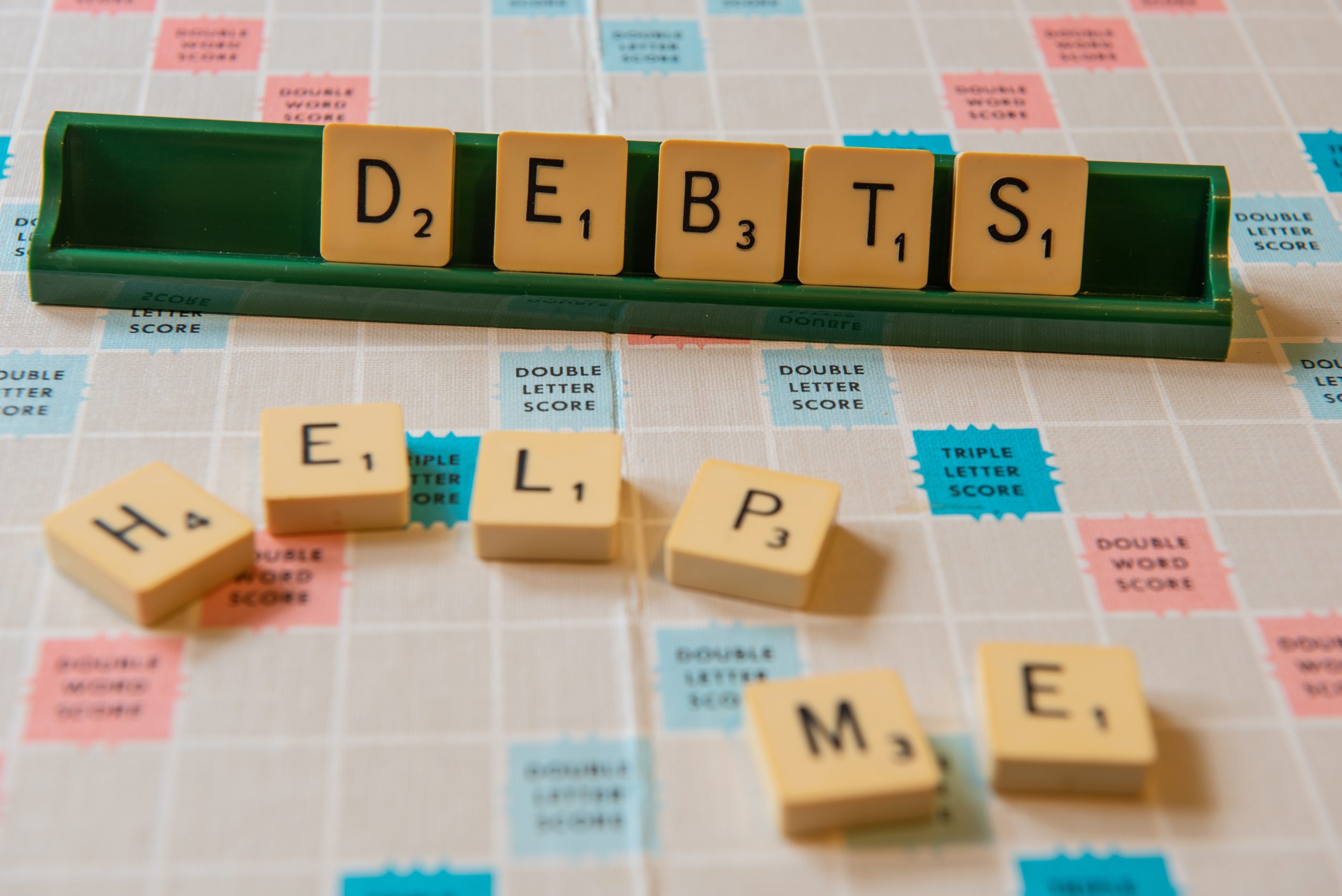
Close-up view of the words "DEBTS HELP ME" arranged on a scramble board with glowing lights in the background, symbolizing the urgent need for a debt consolidation plan in Singapore.
debt consolidation

Debt Consolidation Plan in Singapore: A Comprehensive Guide

Are you feeling overwhelmed by credit card debt in Singapore? The debt consolidation plan in Singapore might be the relief you need. With enticing credit card rewards like air miles, cash back, and even free luggage, it’s easy to find yourself swiping away without considering the consequences. However, this convenience often leads to a daunting pile of debt. If you’re struggling to keep up with credit card and personal loan payments, a Debt Consolidation Plan could be your pathway out of financial stress. This guide will explore how such a plan works and how it can help you regain control of your finances. What Is a Debt Consolidation Plan in Singapore? A Debt Consolidation Plan in Singapore allows individuals to consolidate all their outstanding unsecured loans into a single loan from a financial institution, such as a licensed money lender or bank. This approach simplifies debt management by reducing multiple payments to just one monthly repayment, making it easier to manage finances. Key Features Interest Rates: While the interest rates for DCPs may seem high compared to other loan types, they are significantly lower than the average credit card rates in Singapore. The credit card rates can be as high as 25% per annum. DCPs generally offer rates between 3.12% and 12%. This makes DCPs an advantageous option for those struggling with high-interest credit card debt and other unsecured loans. Loan Amount: The Debt Consolidation Plan allows you to borrow an amount ranging from 12 to 18 times your monthly salary. This flexibility ensures that you can consolidate a significant amount of debt under one loan. This is especially helpful if you have multiple high-interest loans or credit card debts. Repayment Tenure: The plan offers flexible repayment options, with terms ranging from 1 to 10 years. This range allows you to choose a repayment period that best suits your financial situation and goals. Thus, it makes easier to manage monthly payments without overstressing your budget. By consolidating debts, individuals can avoid the compound interest that quickly accumulates on credit cards, often referred to as the “snowball effect.” This helps in managing debt more effectively and can prevent the debt from growing uncontrollably. As a licensed money lender in Singapore, SU Credit provides options for those considering a debt consolidation plan. We offer guidance and services to help individuals consolidate their debts, thereby gaining better control over their financial situation. How the Debt Consolidation Plan in Singapore Works? Imagine you’re earning a monthly salary of S$3,000 but have accumulated debts totaling S$80,000 due to multiple credit card and personal loan expenses on luxury items. This amount is well over 12 times your monthly income, indicating a significant financial strain. In this situation, a debt consolidation plan in Singapore could be a strategic move. By consolidating all your high-interest debts into one loan with a lower interest rate from a financial institution, you reduce your monthly burden. Instead of multiple payments, you make a single repayment to the institution that now holds your consolidated loan. This plan simplifies your finances and potentially lowers the amount you pay monthly. For those not eligible or looking for different options, alternative personal loans like balance transfers or personal installment loans might be suitable. Loan Exclusions in Debt Consolidation Plans in Singapore In Singapore, Debt Consolidation Plans (DCPs) are specifically helpful for managing unsecured loans like personal installment loans, credit card debts, and personal lines of credit. These types of debts do not require collateral to be provided by the borrower. However, secured loans, which are backed by assets like property for property loans, vehicles for car loans, or funds for education loans, cannot be included in a DCP. Business loans also do not qualify for consolidation under a DCP. This exclusion of secured and business loans helps to focus the DCP on high-interest, unsecured debts, making it a targeted solution for personal financial restructuring. Eligibility for Debt Consolidation Plan in Singapore The Debt Consolidation Plan (DCP) is for Singaporeans and permanent residents. This ensures that the program supports local citizens and residents in managing their debts. Income and Asset Criteria Applicants must have an annual income ranging from S$20,000 to S$120,000. Moreover, their net assets should not exceed S$2 million. These criteria help to target the DCP towards individuals who are neither too wealthy nor below a certain income threshold. Debt Requirements To qualify for a DCP, you must be facing significant debt levels—specifically, your total debts must be at least 12 times your monthly income. This condition confirms that the DCP caters those who have heavy debts to pay and are truly in need of assistance in debt management. SU Credit can assist eligible individuals by offering DCPs as part of their financial solutions, providing a structured approach to managing and reducing their debt burdens efficiently. For more detailed guidance and to see if you qualify for a DCP, consulting with licensed money lenders like SU Credit can be very helpful. Documents Required For the Application To apply for a Debt Consolidation Plan, you will need to prepare the following documents: Credit Bureau Report NRIC (front and back) Latest income statements Recent statements for credit cards and other unsecured credits, such as personal loans If applicable, confirmation letters detailing unbilled principal balances for unsecured installment plans These documents help verify your identity, financial status, and the extent of your debts, ensuring a smooth application process. What to Consider Before Applying for a Debt Consolidation Plan in Singapore? Understanding Additional Charges When you get a Debt Consolidation Plan (DCP) in Singapore, your loan amount will include not just your current debts and outstanding interest, but also an extra 5% above this total. This additional percentage covers potential fees like late payment charges that might occur during the repayment period. Rest assured, any excess from this buffer will be returned to you at the end of the loan term. Refinancing Options If you decide that you want to switch your DCP to another financial institution,

Debt Consolidation Benefits Singapore
debt consolidation

Boost Your Credit: Singapore’s Debt Consolidation Benefits

In today’s busy world, managing your finances can feel overwhelming, especially in Singapore’s fast-moving economy. Debt consolidation is becoming popular for anyone looking to manage their financial obligations. It’s beneficial for young professionals who want to improve their credit scores. Combining multiple debts into one manageable loan can simplify your payments and even open the door to better opportunities, like qualifying for a housing loan or getting approved for a credit card. Understanding Debt Consolidation Debt consolidation combines several unsecured debts—such as credit card balances, personal loans, and other liabilities—into a single loan with a unified monthly payment. This strategy can simplify debt management, reducing the stress of managing multiple due dates and interest rates. Essentially, a debt consolidation loan allows borrowers to focus on one payment, often with a fixed interest rate, which can be more predictable than juggling various debt obligations. The goal is to simplify payments, potentially lower the overall interest rate, and ultimately make it easier to pay off the total debt over time. Benefits of Debt Consolidation in Singapore One of the primary advantages of debt consolidation in Singapore is the potential to lower interest rates and monthly payments. With a consolidated loan, you may negotiate a better interest rate than the higher rates typically associated with credit cards and other unsecured debts. This can mean significant monthly savings for young professionals, freeing up cash for other essential expenses or investments. Moreover, consolidating debts can have a positive impact on your credit score. By reducing the number of outstanding accounts and ensuring timely payments, your credit profile can improve, opening doors to more favorable financial opportunities.  Additionally, the convenience of handling a single payment instead of multiple ones can lead to greater peace of mind. This streamlined approach alleviates the mental burden of managing numerous debts and minimizes the risk of missed payments, which can adversely affect credit scores. How to Apply for a Debt Consolidation Loan in Singapore Applying for a debt consolidation loan in Singapore is straightforward. It is designed to assist borrowers in taking control of their financial obligations. The first step is to gather all relevant documents, including proof of income, existing debt statements, and credit history reports. These documents are essential for lenders to assess your financial situation accurately. Once your documentation is in order, research and compare financial institutions offering debt consolidation loans. Each lender may have varied terms and interest rates, so finding one that aligns with your financial goals is crucial. After selecting a suitable lender, complete their application process, which typically involves filling out forms and submitting the necessary documents. Once approved, the lender will disburse funds to pay off your debts, consolidating them into a single loan. Eligibility Criteria You must meet specific eligibility criteria to qualify for a debt consolidation loan in Singapore. Lenders generally require applicants to be Singaporean citizens or permanent residents aged between 21 and 65. A stable income is also crucial, as it assures the lender of your ability to repay the loan. This often means having a minimum income threshold, which varies among lenders. Your existing debt levels and credit history significantly influence the approval process. Lenders will assess your debt-to-income ratio to ensure the new loan will not overextend your financial capabilities. Maintaining a good credit score is also essential, as it increases your chances of securing favorable loan terms. Therefore, reviewing your credit report and rectifying any discrepancies before applying is advisable. Potential Drawbacks While debt consolidation offers numerous benefits, potential drawbacks should be considered. One possible downside is that extending the loan term to achieve lower monthly payments might result in paying more in interest over the life of the loan. Additionally, consolidating debts without addressing underlying spending habits could lead to further financial challenges. Understanding the long-term implications of taking on a debt consolidation loan is crucial. Ensure that the terms align with your financial strategy and that you are committed to disciplined financial management. Consulting with a financial advisor can provide valuable insights specific to your situation. To Wrap It Up Debt consolidation can be a powerful tool for boosting credit and achieving financial stability, especially for Singapore’s young professionals. Individuals can lower interest rates, simplify payments, and enhance their credit profiles by consolidating debts. When approached thoughtfully, debt consolidation loans in Singapore offer a strategic pathway toward financial empowerment. Consider exploring this option to navigate your financial journey with confidence and poise.

Loans Singapore
secured loan Singapore

Debt Consolidation Loan

Paying off debts is never easy. But a low interest rate and smaller payments can ease your burden. When it comes to general consumer debt like credit cards and personal loans, one of the most popular ways to lower your rate is debt consolidation loans in Singapore. It has both advantages and disadvantages, but you can make an informed decision when you consider the fees to borrow and how your debt is currently set up. This is a type of loan as it is made available by a lender to settle all debts currently owed. What is a Debt Consolidation Loan? It is a type of loan that is provided by a lender to pay off any debts currently outstanding. By availing of this loan, all monthly installments can be combined into a single payment that needs to be settled to a new lender. It makes sense to lower the monthly payments, lowering the interest rate, as this will be retained for a longer period of time. Debt consolidation is a way to pay off debts, requesting a new loan that pays all your debts and that you focus all your efforts on paying a single debt, instead of several at the same time. However, debt consolidation is not for everyone and we tell you why: Pay off your debt by consolidating or with credit repair. How to consolidate debts? To consolidate a debt you have to follow the following steps: Find the financial institution that is said to be willing to offer a debt consolidation loan, which is usually credit cards. Of all the offers that money lenders make to you, accept the one that suits you best and suits your payment capacity, usually, you can extend the term and reduce the rate, but remember that reducing the monthly payment will also increase the time that you have to liquidate. Identify the expenses that you can do without so that you can have the resources to pay your only debt. Make a budget to analyze your ability to pay and thus not have problems in your personal finances for that one debt. Types of debt consolidation Using a balance transfer credit card, that is, transferring debt to another institution that has a lower rate, thus reducing the amount that is paid for interest or other commissions. Take a personal loan that has the purpose of consolidating all your debts into one and thus you have greater control over your finances, by knowing exactly how much you have to pay and on what dates. This is convenient when having different debts makes your financial life look in chaos. Requirements to consolidate debts Good credit history. ID. Proof of address and income. Details of the bank account (s) you want to transfer. Recommendations before consolidating a debt Consider that it is possible to consolidate debt from your card or account with the bank you want to contract. Make sure to contract loans with a fixed rate, in this way the amount to be paid will not increase. Do not forget to compare the interest rate you currently have with your card or loan and opt for the most convenient credit. Research about the money lender you plan to choose. Some institutions condition the obtaining of credit with the purchase of insurance. This is to protect themselves and not cause problems for their relatives in the event of non-payment due to some misfortune. Benefits of consolidating debt: Keep in mind that it is easier to have control of a single debt than three or seven. Make sure the interest rate is lower than those of your debts separately. Remember that by reducing your monthly payment, you will also increase the debt settlement period. You will have the possibility of making a monthly budget to know your ability to pay the debt. Negotiate directly with the institution that can offer you the debt. Maintaining a good credit history is key to accessing future loans with better conditions. Remember, this is about being very realistic when weighing your income, expenses and what you owe. Paying debts is not easy no matter what the reason for debt was, it is never too late, approach finance specialists and you will see that your financial situation is not as gray as you thought. Are Debt Consolidation Loans Good? Yes, as long as you have control of your expenses and do not fall into debt, because the new loan will be much larger and you must pay it, otherwise you will have a debt snowball that could lead to bankruptcy. Remember that to consolidate debts it is important not to have arrears, if you already have more than 3 months and do not have funds to continue paying, it is better to resort to a credit repairer such as Solve your Debt, which helps you settle your debts without having to ask a loan. Benefits of Debt Consolidation When considering the benefits of a debt consolidation loan: You have to pay a fixed monthly rate to the lender. Lower monthly payment, meaning more monthly cash flows in less time. The interest rate for the consolidation is usually lower than the current interest rate. Main advantages of debt consolidation: You only have one debt Suppose you owe four different things: the car loan, money on two credit cards, and the card from a department store, you need to be aware of each of those debts and pay 4 bills each month. With the consolidation, you will free yourself from pending payments with the help of credit, in which your 4 debts will be united into one, in this way you will need to pay only one receipt each month, which will make it easier to plan and budget for your expenses. Reduction of the average interest rate on the total amount With four different debts, the highest interest rate can be up to 18% and the lowest interest rate can be 3.5%. After consolidation, the grouped debt can

Su Credit, 175 Bencoolen Street #01-36 Burlington Square, Singapore, 189649 Tel: +65 6636 5644