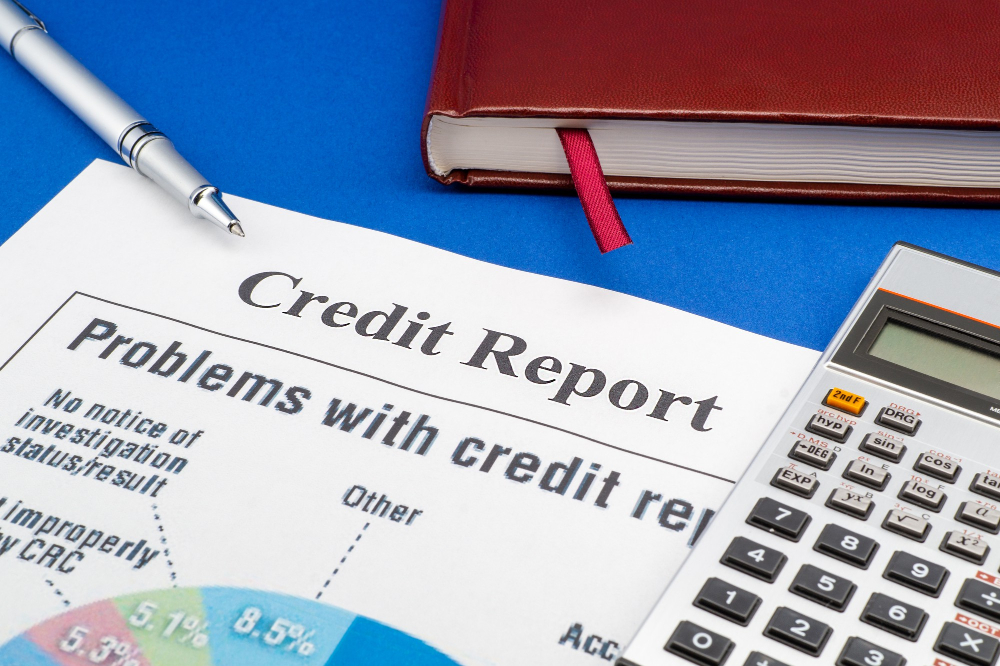



Being turned down for a loan can be frustrating, especially when you need the funds for important life goals, such as buying a home, starting a business, or covering unexpected expenses. While lenders consider multiple factors when reviewing applications, your credit history remains one of the most influential elements in their decision-making process. Understanding how your credit history affects loan approvals—and knowing what steps to take for improvement—can significantly increase your chances of securing the financing you need. This guide will walk you through the key components of credit history, common reasons for loan rejections, and proven strategies to strengthen your credit profile. Understanding Your Credit History Your credit history serves as a financial report card that tells lenders how you’ve managed borrowed money over time. This comprehensive record includes information about your credit accounts, payment patterns, outstanding debts, and any negative marks, such as bankruptcies or collections. Key Components of Credit History Payment History (35% of your credit score) This tracks whether you’ve paid your bills on time, including credit cards, mortgages, auto loans, and other debts. Late payments, missed payments, and defaults all negatively impact this crucial component. Credit Utilization (30% of your credit score) This measures how much of your available credit you’re currently using. For example, if you have a credit card with a $1,000 limit and carry a $300 balance, your utilization rate is 30%. Length of Credit History (15% of your credit score) Lenders prefer borrowers with longer credit histories because they provide more data about spending and repayment habits. This includes the age of your oldest account and the average age of all your accounts. Types of Credit (10% of your credit score) Having a mix of credit types—such as credit cards, installment loans, and mortgages—can positively impact your score by demonstrating your ability to handle different forms of credit responsibly. New Credit Inquiries (10% of your credit score) When you apply for credit, lenders perform hard inquiries that can temporarily lower your score. Multiple inquiries in a short period can signal financial distress to potential lenders. Common Reasons for Loan Rejections Due to Credit History Poor Credit Score Credit scores typically range from 300 to 850, with higher scores indicating better creditworthiness. Most lenders have minimum score requirements: Excellent credit: 750-850 Good credit: 700-749 Fair credit: 650-699 Poor credit: 600-649 Bad credit: Below 600 If your score falls below a lender’s minimum threshold, you’ll likely face rejection or receive offers with unfavorable terms, such as higher interest rates or additional fees. High Debt-to-Income Ratio While not directly part of your credit score, your debt-to-income ratio (DTI) appears on your credit report and heavily influences lending decisions. This ratio compares your monthly debt payments to your gross monthly income. Most lenders prefer DTI ratios below 36%, though some may accept ratios up to 43% for qualified borrowers. A high DTI suggests you might struggle to manage additional debt payments, making you a riskier borrower. Pattern of Late Payments Consistent late payments signal to lenders that you may not reliably meet future obligations. Even if you eventually pay your bills, a pattern of 30-day, 60-day, or 90-day late payments can significantly damage your creditworthiness. Recent late payments carry more weight than older ones, but negative payment history can remain on your credit report for up to seven years. Bankruptcy or Other Serious Delinquencies Bankruptcy represents the most severe negative mark on your credit history. Chapter 7 bankruptcies remain on your credit report for 10 years, while Chapter 13 bankruptcies stay for seven years. Other serious delinquencies include: Foreclosures Tax liens Collections accounts Charge-offs These marks indicate significant financial distress and can lead to automatic loan rejections from many traditional lenders. How to Improve Your Credit History Pay All Bills on Time Since payment history accounts for 35% of your credit score, establishing a consistent on-time payment record is crucial. Set up automatic payments for at least the minimum amount due on all credit accounts. Consider these strategies: Use calendar reminders or phone alerts Set up automatic payments from your checking account Pay bills as soon as you receive them, rather than waiting until the due date If you’ve missed payments in the past, focus on bringing all accounts up to date and maintaining consistent, on-time payments going forward. The positive impact of good payment habits continues to increase over time. Reduce Credit Card Debt High credit utilization rates can significantly hurt your credit score. Aim to keep your utilization below 30% on individual cards and across all your credit accounts combined. For even better results, try to maintain utilization below 10%. Effective debt reduction strategies include: Paying more than the minimum amount due Making multiple payments throughout the month Focusing extra payments on cards with the highest utilization rates Avoiding new purchases while paying down existing balances Check Credit Reports for Errors Credit reporting errors are surprisingly common and can unfairly damage your credit score. You’re entitled to one free credit report annually from each of the three major credit bureaus: Experian, Equifax, and TransUnion. Review your reports carefully for: Incorrect personal information Accounts that don’t belong to you Inaccurate payment history Outdated negative information Duplicate accounts If you find errors, dispute them immediately with the credit bureau and the creditor. Most disputes are resolved within 30 days, and successful disputes can provide quick improvements to your credit score. Become an Authorized User If you have a family member or trusted friend with excellent credit, ask them to add you as an authorized user on one of their credit cards. This strategy enables you to capitalize on their positive payment history and low utilization rates. Important considerations: Choose someone with a long history of responsible credit use Ensure the card issuer reports authorized user activity to credit bureaus Understand that their negative behavior could also affect your credit You don’t need to use the card to benefit from the positive credit history Keep Old Accounts Open The length of your credit history affects