



Welcome to Sucredit

Home » credit loan
Things To Do When Loan Application is Denied
Tips and Guides

What to Do When Your Loan Application is Denied

Loan rejections are more common than you might think. Data shows that 20-30% of loan applications are declined annually. While it’s natural to feel disappointed, a denial doesn’t have to mark the end of your financial goals. This guide will walk you through the necessary steps to take after a loan rejection. From understanding why your application was denied to exploring alternative lending options, you’ll learn actionable strategies to improve your chances of approval and set yourself up for financial success. Step 1: Understand Why Your Application Was Denied The first step after a loan rejection is understanding the reasons behind it. By law, lenders are required to provide a written explanation for their decision, known as an “adverse action notice.” This document, typically sent within 30 days of your application, outlines the primary factors contributing to the denial, such as issues with your credit score, high debt levels, or other financial criteria. If you haven’t received this notice, request it immediately. Reviewing this information will help you identify areas for improvement and guide your next steps. Common Reasons for Loan Rejection Here are some of the most common reasons loans are denied: Low Credit Score: Failing to meet the lender’s minimum credit score requirement is one of the primary reasons for rejection.  High Debt-to-Income (DTI) Ratio: Your DTI measures how much of your monthly income goes toward debt payments. A ratio above 36-43% is often considered too high a risk by lenders.  Insufficient Income: Lenders need assurance that your income can support additional loan payments, and inconsistent or seasonal income can be a red flag.  Limited Credit History: Without an established credit history, lenders may struggle to assess your creditworthiness, particularly for younger or first-time borrowers.  Recent Credit Inquiries: Submitting multiple credit applications within a short timeframe can suggest financial instability, which may lower your chances of approval. Step 2: Review Your Credit Report Your credit report is a key factor in most lending decisions, so it’s essential to review it thoroughly after a rejection. You can access free reports from Equifax, Experian, and TransUnion through AnnualCreditReport.com —the official site authorized by federal law. Federal law allows you to obtain one free credit report per year from each bureau. To monitor your credit throughout the year, space out your requests by ordering one report from a different bureau every four months. Spotting and Correcting Errors Carefully examine your credit report for errors that may be affecting your score. Key areas to review include: Personal Information: Ensure your name, address, and Social Security number are accurate.  Account Details: Verify that all accounts belong to you and that payment histories, credit limits, and balances are correct.  Public Records: Check for any incorrect bankruptcies, liens, or judgments.  Credit Inquiries: Confirm that all inquiries are legitimate and authorized.  If you find errors, dispute them immediately with the credit bureau. Disputes can typically be filed online, by phone, or by mail. Credit bureaus are required to investigate disputes within 30 days and remove any unverifiable information. Step 3: Improve Your Credit Score Improving your credit score is one of the most effective ways to boost your chances of loan approval. While it takes time to see significant improvements, there are steps you can take to start building better credit today. Key Strategies to Boost Your Score Pay Bills on Time: Payment history accounts for 35% of your credit score. Set up automatic payments or reminders to ensure bills are paid on time.  Lower Credit Utilization: Aim to keep your credit utilization ratio below 30%, with a ratio of under 10% being ideal. Focus on paying down existing balances rather than closing accounts, as this could increase your utilization ratio.  Resolve Negative Items: Address collections or charge-offs by negotiating payment plans with creditors to resolve outstanding accounts. Consider requesting a “pay-for-delete” agreement, where the creditor removes the negative mark once the debt is paid in full.  Avoid New Credit Applications: Each hard inquiry can temporarily lower your score, so avoid applying for new credit unless necessary. Step 4: Reduce Your Debt-to-Income Ratio Lenders rely on your debt-to-income (DTI) ratio to evaluate your ability to manage additional debt. Most lenders prefer a DTI below 36%, though some may accept up to 43% for qualified borrowers. To calculate your DTI, add up your monthly debt payments (including the new loan payment) and divide by your gross monthly income. Then, focus on strategies to lower this ratio. How to Lower Your DTI Pay Down Existing Debt: Prioritize high-interest debts with the avalanche method or address smaller balances first with the snowball method.  Increase Your Income: Consider taking on a side hustle, working overtime, or pursuing a higher-paying role to boost your earnings.  Avoid New Debt: Hold off on large purchases or taking on new financial obligations while improving your DTI.  Consolidate Debt: If eligible, consider consolidating high-interest debts into a lower-rate loan to reduce your monthly payments. Step 5: Explore Alternative Loan Options If improving your financial profile takes time, alternative options such as co-signers or secured loans can help you access funds more quickly. Co-signers A co-signer with strong credit and income can significantly improve your approval chances. They agree to share responsibility for the loan, which reduces the lender’s risk. However, missed payments will impact both your credit scores, so ensure clear communication about repayment terms. Secured Loans Secured loans require collateral, such as a car or savings account, to guarantee repayment. This reduces the lender’s risk and may lead to better terms. However, if you default, you risk losing your collateral, so proceed cautiously. Step 6: Reapply with a Different Lender Loan approval criteria vary between lenders, so a rejection from one doesn’t mean you’ll be denied everywhere. Research lenders that cater to your financial situation, including: Credit Unions: Known for member-focused services and flexible lending criteria.  Community Banks: Smaller, local banks often provide more personalized service and flexibility.  Online Lenders: Many digital platforms use alternative data to assess creditworthiness, increasing options for borrowers

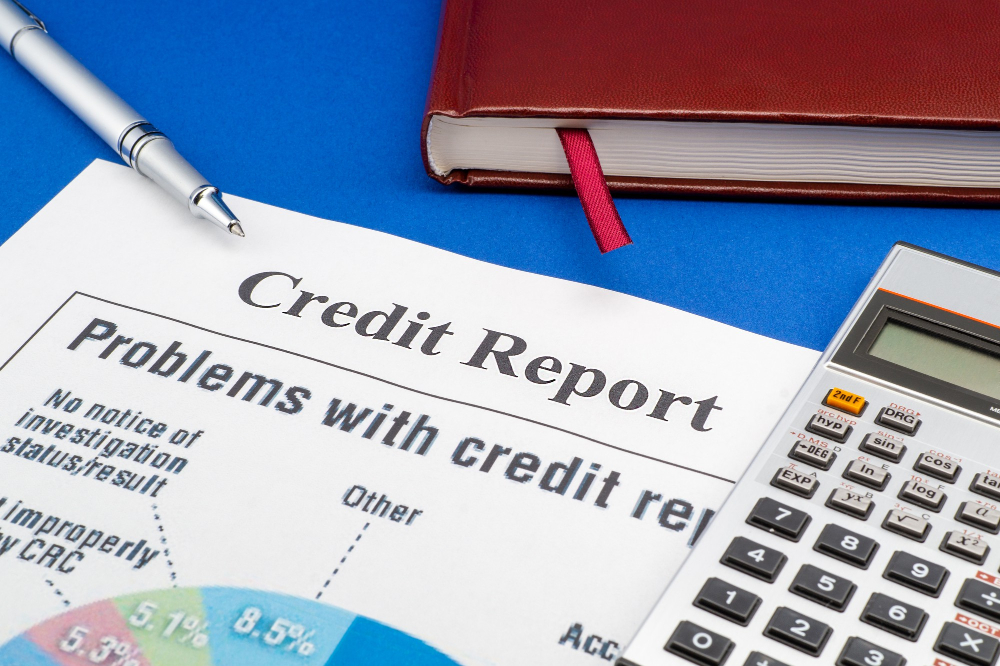
Tips to Avoid Loan Rejection
Tips and Guides

Why Your Credit History Matters: Steps to Avoid Loan Rejections

Being turned down for a loan can be frustrating, especially when you need the funds for important life goals, such as buying a home, starting a business, or covering unexpected expenses. While lenders consider multiple factors when reviewing applications, your credit history remains one of the most influential elements in their decision-making process. Understanding how your credit history affects loan approvals—and knowing what steps to take for improvement—can significantly increase your chances of securing the financing you need. This guide will walk you through the key components of credit history, common reasons for loan rejections, and proven strategies to strengthen your credit profile. Understanding Your Credit History Your credit history serves as a financial report card that tells lenders how you’ve managed borrowed money over time. This comprehensive record includes information about your credit accounts, payment patterns, outstanding debts, and any negative marks, such as bankruptcies or collections. Key Components of Credit History Payment History (35% of your credit score) This tracks whether you’ve paid your bills on time, including credit cards, mortgages, auto loans, and other debts. Late payments, missed payments, and defaults all negatively impact this crucial component. Credit Utilization (30% of your credit score) This measures how much of your available credit you’re currently using. For example, if you have a credit card with a $1,000 limit and carry a $300 balance, your utilization rate is 30%. Length of Credit History (15% of your credit score) Lenders prefer borrowers with longer credit histories because they provide more data about spending and repayment habits. This includes the age of your oldest account and the average age of all your accounts. Types of Credit (10% of your credit score) Having a mix of credit types—such as credit cards, installment loans, and mortgages—can positively impact your score by demonstrating your ability to handle different forms of credit responsibly. New Credit Inquiries (10% of your credit score) When you apply for credit, lenders perform hard inquiries that can temporarily lower your score. Multiple inquiries in a short period can signal financial distress to potential lenders. Common Reasons for Loan Rejections Due to Credit History Poor Credit Score Credit scores typically range from 300 to 850, with higher scores indicating better creditworthiness. Most lenders have minimum score requirements: Excellent credit: 750-850 Good credit: 700-749 Fair credit: 650-699 Poor credit: 600-649 Bad credit: Below 600 If your score falls below a lender’s minimum threshold, you’ll likely face rejection or receive offers with unfavorable terms, such as higher interest rates or additional fees. High Debt-to-Income Ratio While not directly part of your credit score, your debt-to-income ratio (DTI) appears on your credit report and heavily influences lending decisions. This ratio compares your monthly debt payments to your gross monthly income. Most lenders prefer DTI ratios below 36%, though some may accept ratios up to 43% for qualified borrowers. A high DTI suggests you might struggle to manage additional debt payments, making you a riskier borrower. Pattern of Late Payments Consistent late payments signal to lenders that you may not reliably meet future obligations. Even if you eventually pay your bills, a pattern of 30-day, 60-day, or 90-day late payments can significantly damage your creditworthiness. Recent late payments carry more weight than older ones, but negative payment history can remain on your credit report for up to seven years. Bankruptcy or Other Serious Delinquencies Bankruptcy represents the most severe negative mark on your credit history. Chapter 7 bankruptcies remain on your credit report for 10 years, while Chapter 13 bankruptcies stay for seven years. Other serious delinquencies include: Foreclosures Tax liens Collections accounts Charge-offs These marks indicate significant financial distress and can lead to automatic loan rejections from many traditional lenders. How to Improve Your Credit History Pay All Bills on Time Since payment history accounts for 35% of your credit score, establishing a consistent on-time payment record is crucial. Set up automatic payments for at least the minimum amount due on all credit accounts. Consider these strategies: Use calendar reminders or phone alerts Set up automatic payments from your checking account Pay bills as soon as you receive them, rather than waiting until the due date If you’ve missed payments in the past, focus on bringing all accounts up to date and maintaining consistent, on-time payments going forward. The positive impact of good payment habits continues to increase over time. Reduce Credit Card Debt High credit utilization rates can significantly hurt your credit score. Aim to keep your utilization below 30% on individual cards and across all your credit accounts combined. For even better results, try to maintain utilization below 10%. Effective debt reduction strategies include: Paying more than the minimum amount due Making multiple payments throughout the month Focusing extra payments on cards with the highest utilization rates Avoiding new purchases while paying down existing balances Check Credit Reports for Errors Credit reporting errors are surprisingly common and can unfairly damage your credit score. You’re entitled to one free credit report annually from each of the three major credit bureaus: Experian, Equifax, and TransUnion. Review your reports carefully for: Incorrect personal information Accounts that don’t belong to you Inaccurate payment history Outdated negative information Duplicate accounts If you find errors, dispute them immediately with the credit bureau and the creditor. Most disputes are resolved within 30 days, and successful disputes can provide quick improvements to your credit score. Become an Authorized User If you have a family member or trusted friend with excellent credit, ask them to add you as an authorized user on one of their credit cards. This strategy enables you to capitalize on their positive payment history and low utilization rates. Important considerations: Choose someone with a long history of responsible credit use Ensure the card issuer reports authorized user activity to credit bureaus Understand that their negative behavior could also affect your credit You don’t need to use the card to benefit from the positive credit history Keep Old Accounts Open The length of your credit history affects

Credit Score for Loan Approval Singapore
Tips and Guides

Why Is Your Credit Score Key to Loan Approval? A Simple Guide

If you’re planning to take out a loan, whether for a car, home, or personal expenses, there’s one thing you need to understand before you start filling out applications: your credit score. This three-digit number is a crucial factor that can make or break your loan approval. But why is it so important, and how can you make it work for you?  This guide will break down everything you need to know about credit scores, from how they’re calculated to how they influence loan terms. Plus, we’ll share practical tips for improving your financial standing.  Understanding Credit Scores  What Is a Credit Score?  Your credit score measures your creditworthiness. It’s calculated based on your financial history and reflects how likely you are to repay a loan. Scores range from 300 to 850, with higher scores indicating lower risk for lenders.  What Do the Numbers Mean?  Here’s a quick breakdown of most credit score ranges and what they signify to lenders:  300–579 (Poor): Loan approval is highly unlikely without a cosigner. 580–669 (Fair): Approval is possible, but terms may include higher interest rates. 670–739 (Good): Considered a safe score by most lenders with reasonable loan terms. 740–799 (Very Good): Often secures better-than-average interest rates. 800–850 (Exceptional): Represents a significant advantage in securing large loans at low-interest rates. A lower score doesn’t mean you can’t get a loan, but it means higher costs and stricter terms.  How Credit Scores Impact Loan Approval  A credit score affects much more than a lender’s yes or no. Here’s how credit scores influence loan approval and terms.  Interest Rates  A good credit score can secure you a lower interest rate, saving you significant money over the life of the loan. For example, someone with an exceptional score might qualify for a mortgage with a 4% interest rate, while someone with a fair score may face a rate of 6% or higher. For a 30-year loan, this small percentage difference could amount to tens of thousands of dollars.  Loan Amounts  Lenders often limit the size of loans they’re willing to offer borrowers with low credit scores. If you need a sizable loan and your credit score falls in the lower range, you may not be approved for the full amount or might need to secure a cosigner.  Approval Likelihood  While lenders consider many factors, including income and debt levels, a strong credit score signals reliability. Those with poor scores may find it difficult to get approved, even with steady income or collateral.  Tips for Improving Your Credit Score  If your credit score isn’t where you’d like it to be, don’t worry! Building a better score takes time, but is achievable with consistent effort.  Pay Bills on Time Your payment history accounts for a significant portion of your credit score (35% for FICO scores). Set up payment reminders or automatic billing to avoid late payments, as these can hurt your score.  Reduce Credit Card Balances High credit utilization (the ratio of your credit card balance to its limit) can negatively impact your score. To improve your credit health, aim to keep your utilization under 30%.  Avoid Opening Too Many New Accounts Although establishing credit is essential, applying for multiple credit cards or loans quickly can lower your score. Each application results in a hard inquiry on your credit report, which temporarily dips your score.  Monitor Your Credit Report Mistakes happen, and sometimes, inaccurate information can lower your score. Check your credit report regularly through credit reporting bureaus like Experian, Equifax, or TransUnion, and dispute any inaccuracies.  Diversify Your Credit Mix A mix of credit types (e.g., credit cards, auto loans, and mortgages) can positively impact your score. If you currently use only one form of credit, consider adding another account type responsibly.  Be Patient Credit building is a long-term game. Even with steady progress, it may take months to see significant improvement. Stick to good habits!  Avoiding Common Pitfalls  Even as you improve your credit score, it’s important to avoid these common mistakes that can derail your progress.  Taking on High-Interest Loans When you’re eager for cash, it’s tempting to accept the first loan available, but high-interest loans can trap you in a cycle of debt. Instead, shop around to compare rates and terms before signing anything.  Ignoring Debts Unpaid debts, especially those that go to collections, can severely damage your credit score. Contact creditors to negotiate manageable payment plans if you’re struggling.  Overusing Credit Running up credit card balances to their limit can tank your credit score. Practice mindful spending and focus on living within your means.  Take Charge of Your Financial Future  Your credit score is much more than just a number. It’s a key to accessing financial opportunities. By understanding how it works and taking steps to improve it, you can unlock better loan terms, lower interest rates, and financial freedom.  Start by reviewing your credit report, making timely payments, and proactively managing your financial health. These small steps can lead to significant improvements over time.  Remember, building good credit is a marathon, not a sprint. Stay consistent, and the benefits will follow. 

Loan Approval Chances
Tips and Guides

How to Boost Your Loan Approval Chances Without a Perfect Credit Score

Getting a loan when your credit score isn’t perfect can feel like running uphill during a storm. Many lenders view credit scores as the ultimate measure of trustworthiness, but here’s the good news: A less-than-ideal credit score doesn’t mean loan approvals are out of reach.  Your credit score matters, but it’s just one piece of the puzzle. By taking some simple, strategic steps, you can present yourself as a reliable borrower, even if your credit profile has a few bumps. This guide will walk you through specific strategies to improve your loan approval chances, offering practical advice you can implement today. Whether you correct errors on your credit report, lower your debt, or find a co-signer, you’ll learn how to set yourself apart in a lender’s eyes. Understanding Credit Scores: What Lenders Look For  Before you can improve your chances, it’s crucial to understand what lenders examine when deciding whether to approve a loan. Your credit score is key, but it isn’t the whole story. Here’s what lenders prioritize: Credit Score Breakdown  Lenders typically view credit scores as a snapshot of your financial health. A higher credit score signals you’re less likely to default on payments. Here’s how most credit scores are calculated: Payment History (35%): Have you paid your bills on time? Amounts Owed/Debt Utilization (30%): How much debt do you have relative to your available credit? Credit History Length (15%): How long have you managed credit accounts? Credit Mix (10%): Do you have a healthy mix of loans (credit cards, student loans, auto loans)? New Credit Activity (10%): Have you recently applied for multiple new accounts? Other Factors Beyond Your Credit Score  Debt-to-Income (DTI) Ratio: Do you have enough income to repay the loan comfortably? Employment History: A steady income from a stable job can work wonders. Collateral: Secured loans require an asset (house, car, etc.) to back them. Your Relationship with the Lender: Some lenders favor returning borrowers or existing customers. Now that we know what lenders value, let’s explore how to improve your standing in their eyes. Tip 1: Correct Errors on Your Credit Report  Your credit report might contain errors that drag your score down. Imagine being penalized for loans or debts that aren’t even yours! Fortunately, spotting and addressing these inaccuracies is simpler than you think.  How to Fix Credit Report Errors  Obtain Your Credit Report Request your free annual credit report from reputable providers like AnnualCreditReport.com. Review it carefully.  Spot Errors Common errors include:   – Accounts you never opened    – Incorrect balances    – Duplicate debt entries  Dispute the Mistake If you find an error, file a dispute with the credit bureau. Attach supporting documents like receipts or correspondence.  Relatable Example: Jessica noticed her credit report showed a late payment on a loan she had paid off years ago. After filing a dispute and providing proof, the issue was resolved, and her score increased by 30 points. Tip 2: Reduce Your Debt-to-Income Ratio  Even with a modest credit score, lenders are more willing to approve your loan if you have a healthy debt-to-income (DTI) ratio. This simply means your monthly debt payments shouldn’t consume too much of your income.  Steps to Lower Your DTI  Pay Off Small Debts Focus on paying off smaller loans or credit card balances.  Increase Your Income Take on a side gig, freelancing, or part-time work to boost earnings.  Avoid New Debt Wait to make big-ticket purchases or open new credit accounts to keep your existing debt low. For example, paying off a $500 credit card balance can instantly lighten your financial profile and show lenders you’re trying to reduce your liabilities.  Tip 3: Provide a Larger Down Payment  Got some savings? Use them to increase your loan’s down payment. A higher upfront contribution means the lender shoulders less risk, making them more inclined to approve your application. Why it Works  Lower Loan Amount A larger down payment reduces the amount you need to borrow, making repayments more straightforward to manage.  Demonstrates Responsibility Lenders will see you’re serious about your financial commitment.  Example: Sam saved aggressively for six months and put down 20% when financing his car loan instead of the standard 10%. His application was approved despite having a below-average credit score.  Tip 4: Get a Co-Signer  Having someone with excellent credit vouch for you can significantly boost your credibility in a lender’s eyes. A co-signer agrees to take on loan payments if you cannot make them.  Choosing the Right Co-Signer  Be sure they have strong credit and a stable income. Ensure they understand the responsibilities involved. This is particularly helpful for younger applicants or those with a shorter credit history. Just make sure you both communicate clearly about expectations. Tip 5: Choose the Right Type of Loan  Not all loans are created equal. Matching the loan type to your financial profile can improve your approval odds. Loan Options to Consider  Secured Loans Backed by collateral, these loans are less risky for lenders.  Credit Union Loans Credit unions often offer lower interest rates and will work with borrowers who don’t have perfect credit.  FHA Loans If you’re buying a home, FHA (Federal Housing Administration) loans have more lenient credit score requirements.  Shop around and compare offers from different lenders. Be upfront about your credit challenges to find one willing to accommodate your needs. Taking Control of Your Loan Approval Odds  An imperfect credit score isn’t an impossible hurdle. With the right strategies, you can significantly improve your chances of getting that loan approval: Monitor your credit report carefully. Pay down debt and limit the amount you owe. Save for a larger down payment whenever possible. Find a trusted co-signer to strengthen your application. Explore loans tailored to your unique situation. Securing a loan is a process; these tips will help you achieve your goal. Start implementing them today, and take charge of your financial future.  Bonus Tip  If you’re overwhelmed or need personalized guidance, many credit counseling agencies offer free or low-cost consultations to help you financially. Don’t

Role of AI in Singapores Credit Companies
Tips and Guides

The Role of AI in Singapore’s Credit Companies

In today’s fast-changing financial environment, artificial intelligence (AI) is becoming an essential tool for lenders worldwide. As AI technologies progress, they’re increasingly used to simplify and improve lending practices. This trend is especially evident in Singapore, a major global financial center. Singapore’s proactive adoption of AI transforms traditional lending processes, making them more efficient and effective. This article explores how AI is reshaping credit companies in Singapore, offering insights into its applications, benefits, and future implications on the lending industry. Understanding AI in the Lending Sector Artificial intelligence refers to computer systems that perform tasks typically requiring human intelligence, such as decision-making and problem-solving. In finance, AI applications range from automating customer service interactions to managing extensive datasets for informed decision-making. AI’s capabilities significantly enhance processes in the lending sector by analyzing creditworthiness, predicting loan defaults, and personalizing user experiences.  These improvements are crucial as they streamline operations and elevate customer satisfaction by providing faster, more accurate services. AI’s growing importance in lending is underlined by its potential to transform customer interactions and drive more efficient decision-making processes. AI Transformations in Credit Companies in Singapore How AI is Revolutionizing Credit Company Singapore AI innovations are at the forefront of transforming Singapore’s credit companies, implementing advancements like automated credit scoring and predictive analytics. Examples include using machine learning algorithms to assess credit risk more accurately and quickly. Notable Singaporean credit companies have embraced AI to offer tailored lending solutions, demonstrating the technology’s capacity to revolutionize traditional models.  For instance, some firms use AI-driven platforms to analyze vast amounts of data and provide personalized loan products based on individual customer profiles. Integrating AI with big data facilitates a more comprehensive understanding of customer needs. It allows for more precise and effective lending strategies, ultimately benefiting both the lender and the borrower. Benefits of AI for Credit Companies and Consumers AI enhances efficiency and accuracy in credit assessments by automating data analysis and reducing human error. This technological leap enables credit companies to process loan applications more swiftly and with greater precision, thus improving overall customer experience. Risk management and fraud detection are significantly bolstered through AI, with advanced algorithms capable of identifying patterns and anomalies indicative of fraudulent activity.  For consumers, the benefits of AI adoption include quicker loan approvals and customized financial advice, catering to individual financial situations. This level of personalization ensures that customers receive the best possible advice and products suited to their needs, fostering a more trustworthy and efficient lending environment. Challenges and Considerations Despite its many benefits, integrating AI into lending is challenging. Data privacy concerns are paramount, as the collection and analysis of personal information must comply with stringent regulations to protect consumer rights. Additionally, AI systems may inherit biases in their training data, leading to unfair lending decisions. Ethical considerations must be carefully managed to prevent such biases from affecting outcomes.  Transparency is critical; credit companies must ensure that their AI systems are explainable and that consumers can understand how decisions affect them. Building trust in AI systems is essential for their successful implementation and acceptance by the public. Future Trends and Implications With predictive analytics and machine learning advancements, AI technology will further influence Singapore’s lending landscape. These technologies promise to refine credit scoring models and enhance decision-making processes further. The potential long-term impact of AI on the credit industry includes a shift towards more customer-centric services and adaptive lending models that can respond dynamically to changes in market conditions and consumer behavior.  This evolution could lead to a more resilient and responsive credit environment, benefiting both lenders and borrowers. To Wrap It Up AI is undeniably transforming the role of credit companies in Singapore, offering innovative solutions that enhance efficiency and customer experience. As these technologies evolve, it is crucial to balance leveraging AI advancements with maintaining ethical standards and transparency. Doing so will ensure that the financial sector can harness AI’s full potential while safeguarding consumer interests and promoting trust.

Su Credit, 175 Bencoolen Street #01-36 Burlington Square, Singapore, 189649 Tel: +65 6636 5644